Launching a new gym comes with countless challenges, from space layout to member recruitment. For startup gym owners, choosing suitable cardio equipment is one of the most critical decisions. As the most frequently used gear—occupied by 60% to 70% of members during daily workouts—cardio machines also account for 30%-50% of total equipment startup costs. Making the wrong choice leads to overspending, frequent breakdowns, high maintenance fees and dissatisfied members. This guide reveals practical tips to select low-maintenance, cost-effective cardio gear for new gyms.

Prioritize Your Budget & Target Audience First
Many new gym owners make the mistake of purchasing fancy, high-end cardio machines blindly to attract members. In fact, budget planning and audience positioning should come first. For newly opened gyms, we recommend allocating about 50% of your total equipment budget to the cardio zone and reserving 10% of this portion as a maintenance emergency fund.
Besides budget, clarify your core member groups. If your gym targets fitness beginners and casual users, focus on user-friendly, low-impact basic cardio machines. For boutique gyms focused on fat loss and high-intensity training, you can add spin bikes and rowers to enrich workout options. Targeted procurement avoids unnecessary waste and simplifies daily operation.
Best Cost-Effective Cardio Machines for New Gyms
A well-balanced cardio area does not require dozens of machine types. Below are four must-have commercial-grade machines with clear pros and cons for new gyms:
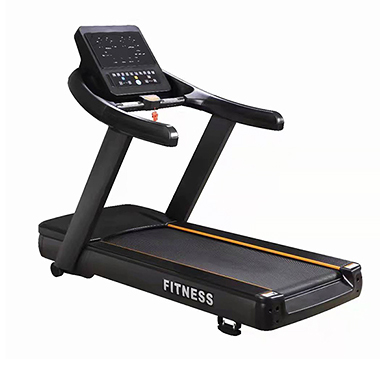
Treadmills: The core of any cardio zone and the top choice for beginners. Commercial treadmills with a 3.0+ HP motor and shock-absorbing deck meet long-hour daily use. Limit 2-3 units at the opening stage; excessive treadmills waste budget and space. Note that treadmills generate noise and need regular belt maintenance.
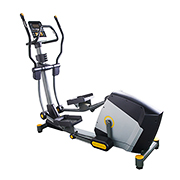
Ellipticals: The most popular low-impact alternative. Perfect for middle-aged members and users with joint injuries. Compared with treadmills, ellipticals have fewer wearable parts, lower failure rates and negligible maintenance costs, ideal for cutting long-term operating expenses.
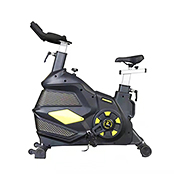
Stationary & Spin Bikes: High ROI gear for startup gyms. Compact in size, affordable in price and easy to maintain. Spin bikes are perfect for group cycling classes to boost member stickiness, while recumbent bikes cover low-intensity rehabilitation training needs.
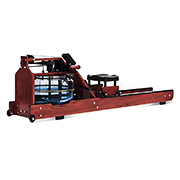
Rowing Machines: A versatile full-body workout machine. It caters to advanced fitness enthusiasts and complements traditional cardio training. 1-2 units are enough for early-stage gym operation.
Key Buying Tips to Avoid Extra Costs
To help new owners run the gym with less effort, we summarize two vital purchasing rules. First, always choose commercial-grade instead of household upgraded models. Household machines cannot withstand high-frequency commercial use and will break down within months, causing additional replacement costs.
Second, consider certified second-hand commercial equipment. Reputable refurbished cardio machines cost 40%-60% less than new ones and deliver the same performance. It is a budget-friendly solution for gyms with limited initial capital. Meanwhile, sign long-term after-sales service contracts with suppliers to cover regular repairs and part replacement.
Final Thoughts
For newly opened gyms, practicality always outweighs luxury when selecting cardio equipment. Stick to a reasonable budget ratio, match machines to your audience, prioritize durable low-maintenance models, and optimize the quantity configuration. This strategy helps you cut upfront costs, reduce daily maintenance burdens, and create a satisfying cardio area to retain more members, laying a solid foundation for long-term gym profitability.