If you have ever stood confused about scheduling your gym sessions, wondering whether morning, afternoon or evening workouts deliver superior fat loss, muscle growth and workout performance, you are far from alone. Millions of fitness enthusiasts worldwide search for the best gym training hours each year, as workout timing directly interacts with human body circadian rhythm, hormone levels, core temperature and physical stamina. There is no universal one-size-fits-all answer, yet science-backed data clearly outlines the pros and cons of each daily time slot to help gym-goers customize their training plans for optimal outcomes.

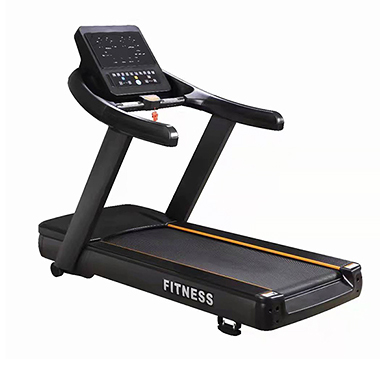
Early morning gym sessions, typically from 6 a.m. to 9 a.m., remain a top pick for people targeting steady weight loss and building long-term workout discipline. Upon waking, the human body’s glycogen stores are relatively depleted after overnight fasting, prompting the metabolism to tap into stored body fat for fuel during moderate-intensity cardio such as treadmill jogging, elliptical training or cycling. This physiological trait makes morning workouts ideal for fat-burning-focused gym users. Additionally, sticking to an early fitness routine drastically reduces the risk of skipped training, as unexpected work overtime or evening social engagements rarely disrupt morning schedules. However, a noticeable downside exists: core body temperature stays low after sleep, muscle elasticity and joint flexibility are below average, and testosterone concentration has not peaked yet. Heavy compound lifting including deadlifts, squats and bench press in early morning raises injury risks and limits your maximum strength output.
Midday and early afternoon workouts between 11 a.m. and 3 p.m. sit in a transitional window with balanced physical conditions, fitting office workers who can squeeze in gym time during lunch breaks. Blood circulation improves after several hours of daily activity, muscles are sufficiently warmed up naturally, and stress hormones like cortisol start to drop gradually. Short-duration circuit training, functional fitness and light strength training work perfectly in this period. Still, most commercial gyms hit peak visitor numbers around noon, leading to long waits for popular equipment, which cuts effective training time short for busy trainees.
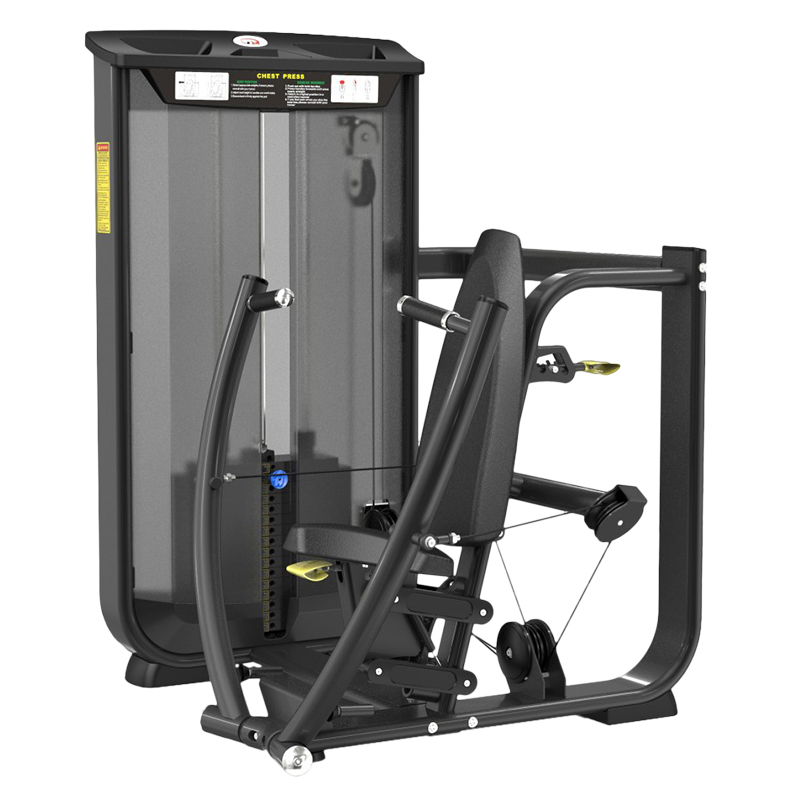
Evening hours from 4 p.m. to 8 p.m. are scientifically proven as the golden window for high-intensity strength and muscle-building workouts. Human core temperature hits its daily peak in late afternoon, boosting muscle flexibility by roughly 20 percent and lowering tendon strain risks significantly. Key anabolic hormones testosterone and human growth hormone reach optimal levels around this timeframe, allowing gym lovers to lift heavier weights, complete extra training sets and accelerate muscle hypertrophy. For bodybuilders and power trainers aiming for rapid muscle gain, evening gym sessions always outperform morning alternatives. On the flip side, late-night intense workouts after 9 p.m. stimulate nervous system excitement, elevate heart rate and delay normal sleep onset, harming rest quality and subsequent body recovery.
Beyond physiological factors, personal lifestyle consistently overrides theoretical best hours. A regular exerciser who can only visit the gym late at night gains better long-term progress than someone who abandons morning training plans due to sleep deprivation. Consistency always beats perfect timing in the long fitness journey.
In conclusion, prioritize morning gym workouts for fat reduction and habit formation, choose evening sessions for heavy strength and muscle development, and use midday slots for casual moderate exercise. Match your workout time to your daily schedule and fitness goals to unlock your full gym potential.