Walking into a gym without a clear training plan is one of the most common mistakes new gym-goers make. Many people wander between different equipment randomly, spend half an hour casually using treadmills or dumbbells, and leave the gym feeling exhausted yet seeing zero progress after weeks or even months. Blind gym training only drains your energy, wastes membership fees and precious spare time, and may even lead to muscle strain, joint pain and long-term sports injuries. The core of effective fitness is not longer training hours, but picking workout styles that perfectly match your physical condition, goals, schedule and personal preferences.

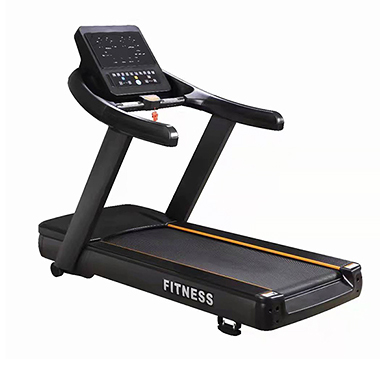
First, clarify your core fitness goal, which directly determines your suitable gym training mode. If your top priority is fat loss and shaping a lean physique, combining moderate steady-state cardio with low-intensity strength training works best. You can arrange 30 to 40 minutes of treadmill jogging, elliptical trainer or rowing machine exercise to burn calories efficiently, paired with bodyweight or light-weight dumbbell training to preserve muscle mass. More muscle boosts your basal metabolic rate, letting your body burn extra calories even at rest. Those aiming for muscle growth and bodybuilding should focus on split strength training. Divide muscle groups into chest, back, shoulders, legs and arms for targeted training on separate days, adopt compound movements like bench press, deadlift and squats, and gradually increase weight and training volume to stimulate continuous muscle growth.
For busy office workers who only have 30 to 45 minutes for gym sessions each time, high-intensity interval training (HIIT) is an ideal choice. Short bursts of high-load exercise mixed with brief rest periods deliver outstanding fat-burning and fitness effects within a short time frame, and the afterburn effect keeps consuming calories for hours post-workout. Older gym members or fitness beginners with weak physical foundations are not suitable for high-intensity training; low-load repetitive strength training plus gentle cardio can improve muscle endurance, enhance bone density and protect the cardiovascular system safely without overloading joints.
Your personal exercise preference also plays an indispensable role in long-term fitness adherence. Some people hate repetitive solo equipment training and thrive in group fitness classes such as spinning, Zumba or boxing group lessons. The atmosphere of group workouts greatly improves training motivation and avoids workout burnout caused by loneliness. Introverted fitness enthusiasts who dislike crowded spaces can stick to fixed equipment training alone and arrange their training rhythm freely without being affected by other gym users.
Many fitness enthusiasts give up halfway simply because they copy others’ training routines blindly. A workout plan that works wonders for your gym buddy may not fit your body structure, recovery ability or daily eating habits at all. It is necessary to adjust training intensity, rest intervals and exercise frequency flexibly according to your physical feedback. Soreness lasting more than two days signals excessive training load and requires timely reduction of exercise volume; if you feel relaxed after every workout with no muscle fatigue, you need to raise intensity moderately to break the fitness plateau.
A scientific gym journey never relies on random trial and error. Spend 10 minutes drafting a simple weekly training plan before stepping into the gym, confirm your fitness goal and select targeted training methods. Only matched, personalized workout styles can turn repeated gym visits into tangible physical changes, making every minute spent in the gym worthwhile instead of meaningless hard work.