Strong legs are the foundation of overall gym performance, functional fitness, and full-body muscle growth. Many lifters skip structured leg training or stick to random exercises, leading to strength imbalances, slow progress, and higher injury risks. This complete leg strength workout guide is optimized for gym settings, suitable for beginners and intermediate trainees, and designed to build solid lower-body strength while targeting quads, hamstrings, glutes, and calves evenly.

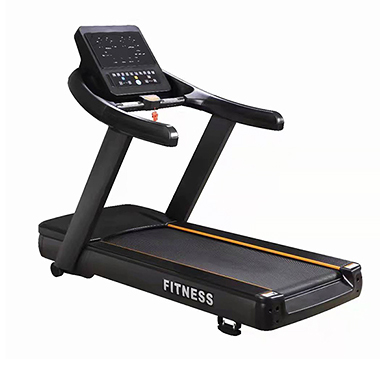
A proper leg day starts with a targeted warm-up, never heavy lifting right away. Spend 5 to 10 minutes on light cardio like brisk walking or stationary cycling to raise your body temperature. Follow up with dynamic stretches including leg swings, bodyweight squats, and walking lunges. This routine loosens hip, knee, and ankle joints, boosts blood flow to leg muscles, and effectively prevents strains during heavy compound lifts.
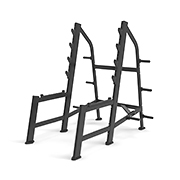
Compound movements are the core of leg strength training, as they engage multiple muscle groups and maximize strength gains efficiently. The barbell back squat, known as the king of lower-body exercises, tops the list. It heavily targets quads, glutes, and hamstrings while activating your core for stability. For optimal results, complete 4 sets of 8 to 10 reps with moderate-heavy weight, keeping your torso upright, knees tracking over toes, and feet firmly planted shoulder-width apart.
To balance quad dominance and build posterior chain strength, add Romanian deadlifts (RDLs) to your routine. Unlike conventional deadlifts, RDLs focus on hamstring and glute stretching and contraction, fixing common lower-body strength imbalances. Perform 3 sets of 10 to 12 reps, maintaining a slight knee bend and hinging at the hips to lower the bar slowly along your thighs.
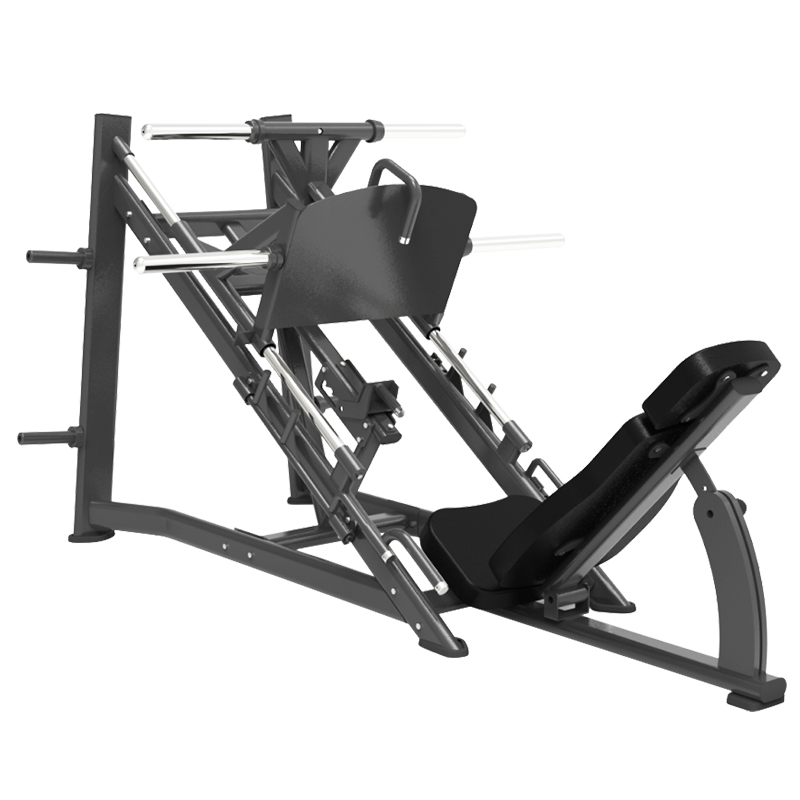
Supplement compound lifts with gym-specific accessory exercises to strengthen weak points. The leg press is ideal for building raw leg strength with reduced spinal pressure, perfect for adding volume after squats and deadlifts. Complete 3 sets of 10 to 12 reps with controlled movements. Pair it with machine leg curls for hamstring isolation and standing calf raises for defined, strong calves (3 sets of 12 to 15 reps each).
Two key principles determine long-term leg strength progress: progressive overload and strict form. Gradually increase weight, reps, or sets weekly instead of sticking to the same intensity. Always prioritize technique over heavy weight—bad form leads to knee pain, lower back strain, and stalled gains. Rest 60 to 90 seconds for accessory sets and 2 minutes for heavy compound sets to ensure full muscle recovery.
Finish your leg day with static stretching for major lower-body muscles. Hold each stretch for 20 to 30 seconds to reduce muscle soreness, improve flexibility, and speed up recovery. Train legs 2 to 3 times per week with at least one rest day between sessions, allowing muscles to repair and grow stronger.
Consistent, balanced leg training transforms not only your lower-body strength but also your overall gym performance and daily mobility. Stick to this structured routine, prioritize progressive overload, and avoid lazy reps to unlock steady, long-lasting leg strength gains.