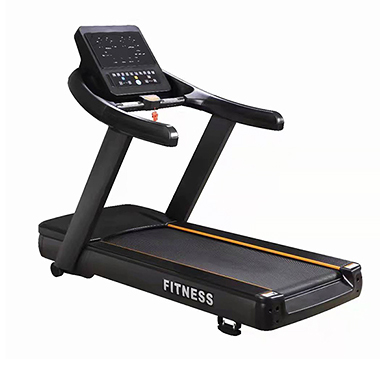
Many fitness lovers rush onto a treadmill, crank up the speed, and jump off right after finishing their run—this careless routine leads to joint pain, muscle strains, dizziness, and wasted workout efficiency. Whether you train on a home treadmill or gym equipment, a complete session is split into three non-negotiable phases: pre-workout warm-up, proper treadmill running, and post-workout cool-down. Skipping any step creates hidden health risks, while mastering the full flow maximizes calorie burn, protects knees and ankles, and cuts post-run soreness drastically. This guide breaks down actionable rules and common pitfalls for every stage, suitable for beginners and regular runners alike.

Phase 1: Warm-Up Before Treadmill (5–10 Minutes)
The biggest beginner mistake is skipping warm-up to save time. Cold tight muscles under impact force easily pull ligaments and hurt knees. Follow this two-part warm-up checklist:
First, complete off-machine dynamic stretches for 3 minutes: leg swings front-to-side, arm circles, hip rotations, and high knees. These activate blood flow and loosen stiff hip flexors, calves, and hamstrings. Never jump straight onto a moving belt without priming your body.
Second, step on the treadmill with the safety key clipped firmly to your workout clothes—this critical safety lock stops the belt instantly if you slip. Start at 2–3 mph flat walk for 2 minutes, then slowly raise speed to a light jog (4–5 mph) for another 3–5 minutes. Keep your posture upright, eyes forward, and avoid gripping handrails tightly during warm-up.
Common warm-up pitfall: Cranking speed or incline within the first 2 minutes. Sudden intensity spikes overload your heart and shock unheated joints.
Phase 2: Main Treadmill Running Session (Key Form Rules & Mistakes)
During your core workout (walk, jog or run), bad form is the top cause of long-term treadmill injuries. Stick to these rules to avoid errors:
Keep hands off handrails as much as possible. Gripping rails reduces calorie burn by nearly 20%, ruins natural arm swing, shifts impact pressure to knees, and weakens core stability. If you need balance briefly, only rest fingertips lightly instead of full grips.
Fix your stride: Land each foot directly under your hips, not far forward. Overstriding creates harsh heel impact that strains knees and lower back. Maintain quick, light steps with midfoot strikes for smoother movement.
Control speed and incline gradually. Increase incline by 1–2 levels or speed by 0.5 mph every 2 minutes instead of one sudden jump. Stay centered on the running belt; avoid standing too close to the front console or back edge to prevent tripping.
Minimize distractions. Scrolling phones or watching videos disrupt balance and posture, raising fall risks. Keep a water bottle within easy reach to sip small amounts every 10 minutes.
Phase 3: Cool-Down & Static Stretching After Running
Cutting cool-down short triggers lightheadedness, stiff muscles, and delayed onset muscle soreness (DOMS). Do not hit the emergency stop and step off immediately once you finish training.
First, slow your pace step by step: lower speed to a casual walk (2–3 mph) for 5–10 minutes without incline. This lets your heart rate and breathing return to resting levels steadily, preventing blood pooling in leg muscles that causes faintness.
After the slow walk, step off the treadmill for static stretching (hold each move 30–45 seconds): calf stretches against a wall, seated hamstring stretches, standing quad pulls, and hip flexor lunges. Focus on lower-body muscle groups loaded during treadmill movement. Many runners skip stretching here, leading to tight calves and stiff knees after weeks of training.
Conclusion
A qualified treadmill workout relies on the full warm-up-running-cool-down cycle, with each phase designed to protect your body and boost training results. Avoid the widespread shortcuts of skipping warm-up, clutching handrails mid-run, or ditching cool-down stretches. Build this complete routine into every treadmill session, and you will reduce injury risks, feel less post-workout fatigue, and see steady improvements in endurance and fat loss over time. No matter your fitness goal—weight loss, cardio endurance, or daily light movement—this structured flow is the safest and most effective way to use a treadmill long-term.