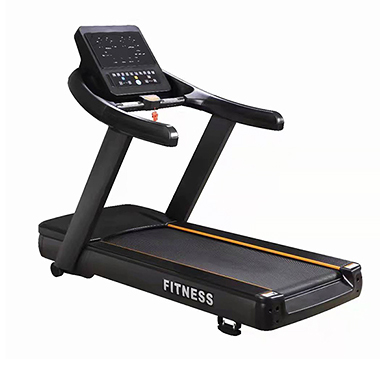
Treadmills rank among the most popular home and gym fitness equipment worldwide. They allow people to complete cardio training regardless of rainy weather, cold winters or busy outdoor schedules. Many fitness lovers rely on treadmills for fat loss, endurance improvement and daily physical activity. However, plenty of exercisers develop joint soreness, ankle pain or low back discomfort simply because they ignore basic treadmill workout rules. Even seasoned gym-goers often fall into harmful training habits without realizing the long-term damage to knees, hips and spine. This guide covers all essential treadmill precautions, suitable for absolute beginners and regular runners to train safely and maximize exercise effects.

1. Prepare Proper Attire Before Stepping On The Treadmill
Shoes are the most critical gear for treadmill running. Walking barefoot or wearing casual slippers, canvas shoes directly on the belt creates huge impact pressure on joints. Professional running sneakers feature shock-absorbing midsoles that cushion foot strikes and reduce knee wear. Avoid overly flat shoes with zero buffer function. Besides footwear, wear breathable, sweat-wicking sportswear. Loose, baggy clothing may get caught under the running belt and trigger safety hazards. Sports bras for female runners effectively stabilize the chest and prevent long-term sagging during high-speed jogging. Refrain from wearing bulky accessories like long necklaces, loose bracelets or oversized watches that swing violently while moving.
2. Master Correct Posture To Prevent Back And Knee Injuries
Poor body posture is the leading cause of treadmill-related pain. Many beginners hunch their shoulders, lean heavily forward or grip the handrails tightly throughout training. Holding railings reduces calorie burning efficiency by up to 30% and disrupts natural running gait. Keep your torso upright, shoulders relaxed backward and core slightly engaged to maintain spinal alignment. Land softly on the midfoot instead of pounding heels hard against the belt. Overstriding—extending your front leg too far ahead—amplifies impact force on knee cartilage. Swing arms naturally at a 90-degree angle close to your body without crossing the midline. When adjusting incline modes, avoid bending your waist forward excessively; shorten your stride to adapt to uphill resistance smoothly.
3. Reasonable Warm-Up And Cool-Down Sessions Are Indispensable
Skipping warm-up directly leads to muscle strains, calf cramps and ligament pulls. Spend 5 to 8 minutes walking slowly at 3–4 km/h to raise heart rate and loosen leg muscles. Follow slow walking with dynamic stretches: leg swings, hip rotations and ankle circles before speeding up. After finishing high-intensity running, never jump off the treadmill instantly. Gradually lower the speed for a 5-minute cool-down walk to stabilize blood circulation. Static stretching targeting hamstrings, quadriceps, calves and lower back must be completed post-workout. Abrupt stopping causes blood pooling in lower limbs, easily triggering dizziness, lightheadedness or sudden nausea, especially for people with weak cardiovascular health.
4. Rational Speed, Incline And Duration Settings
Customize workout intensity based on your fitness level instead of blindly pursuing fast speeds. New starters should stick to brisk walking and light jogging under 6 km/h in the first two weeks. Advanced runners can alternate interval training: fast sprinting mixed with slow recovery walks to boost fat burn. Adding a 1% to 3% incline simulates outdoor road running and offsets the lack of natural wind resistance on treadmills. Do not set inclines above 10% for long periods, which overstrains calf muscles and knees. Limit continuous treadmill sessions to 40–60 minutes. Excessive prolonged cardio without rest breaks may cause overtraining, fatigue and sleep disturbances.
5. Critical Safety And Maintenance Reminders
Stay within the middle zone of the running belt; standing too close to the front or rear edge raises the risk of slipping and falling. Familiarize yourself with the emergency safety clip before every workout. Clip the cord to your clothes—if you stumble, the device automatically cuts power to avoid severe falls. Keep the treadmill deck dry by wiping sweat drops timely; slippery surfaces increase accident risks. Consume small sips of water every 10 to 15 minutes during long training to avoid dehydration, but avoid chugging large amounts at once. Clean dust and lubricate the running belt regularly according to equipment instructions to extend service life and guarantee smooth operation.
Conclusion
Treadmill workouts deliver outstanding fitness results only when you follow standardized, safe training rules. Suitable gear, upright running posture, sufficient warm-up and cool-down, matched intensity and strict safety measures work together to protect joints while improving cardio capacity and fat loss efficiency. Ditch improper workout habits today. Integrate these easy-to-follow precautions into your daily treadmill routine to enjoy sustainable, injury-free long-term fitness progress.