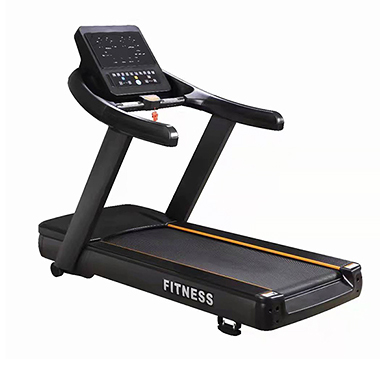
Many fitness enthusiasts wonder whether running on a gym treadmill delivers identical results to jogging on roads, pavements or trails. On the surface, both activities involve repetitive leg strides, elevated heart rates and calorie burning. However, biomechanics, resistance, muscle engagement, injury risks and training effects create clear gaps between treadmill workouts and outdoor land running. Understanding these core differences helps runners tailor training plans for weight loss, endurance building and joint protection.

First, wind resistance stands out as the most fundamental distinction. When you run outdoors, forward movement pushes against natural wind, which adds constant external resistance to your entire body. This subtle force forces your core, calves and hip flexors to work harder to maintain pace. Treadmills eliminate wind drag entirely; the moving belt slides beneath your feet instead of you propelling your body forward through stationary air. Studies show outdoor running requires 5% to 10% more physical effort at matching speeds. To offset this deficit, experienced runners often add a 1% to 2% incline on treadmills to mimic real-world outdoor resistance.
Second, biomechanics and muscle activation shift drastically between the two forms of running. A treadmill’s motorized belt pulls your rear leg backward as you step, reducing the power your hamstrings and glutes need to generate for push-off. Most runners naturally take shorter, quicker strides indoors. In contrast, outdoor running demands full muscular power to push off solid ground, engaging glutes, hamstrings and stabilizer muscles more intensely. Uneven outdoor terrain further activates tiny ankle and foot stabilizers that remain underused on flat, smooth treadmill belts. Over-reliance on treadmill training can weaken lower-body stabilizers over time, raising injury risks once you return to road races.
Joint impact and injury risk form another critical contrast. Modern treadmills feature cushioned deck systems that absorb foot strike shock, lowering pressure on knees, ankles and shins. This cushioning makes treadmills a safer choice for beginners, people recovering from mild joint injuries or overweight runners. Hard concrete pavements offer almost no shock absorption, increasing repetitive impact stress on weight-bearing joints. Still, outdoor runners gain an advantage in posture correction: consistent wind and varying ground surfaces prevent slouched running posture, while many treadmill users lean forward against console handles, straining the lower back and reducing core engagement.
Calorie burn and training flexibility also separate the two workout styles. Without incline adjustment, treadmills burn slightly fewer calories per mile than outdoor runs. Yet treadmills grant full control over variables: users can instantly adjust speed, incline and workout duration regardless of weather. Outdoor running depends heavily on external conditions—rain, extreme heat, icy roads or strong sunshine may derail training schedules. For consistent daily training, treadmills deliver unmatched reliability.
In summary, neither treadmill nor outdoor running is universally superior. Treadmills suit controlled, low-impact daily maintenance training, while land running builds authentic race endurance, full-body muscle strength and environmental adaptability. Serious runners should combine both formats: use treadmills for easy recovery sessions and bad-weather workouts, and prioritize outdoor runs to boost real-world stamina and natural muscle engagement. Matching treadmill incline to replicate wind resistance will narrow the performance gap and balance your long-term running fitness goals.