Regular moderate exercise is vital for seniors to protect cardiovascular health, preserve muscle mass, improve balance and lower fall risks, according to CDC health guidelines. Yet many older adults avoid working out at home because they fear high-impact machines that strain knees, hips and spines, or bulky gear that raises balance hazards. Choosing age-adapted, low-stress fitness equipment solves this problem perfectly. This guide sorts the most suitable exercise machines and portable gear for seniors by function, covering cardio, strength training and mobility improvement, to help you pick safe, easy-to-operate tools tailored to different physical conditions.

Low-Impact Cardio Machines (Top Picks for Joint Protection)
1. Recumbent Exercise Bike
It ranks first among senior cardio equipment for its reclined bucket seat and full back support. Unlike upright bikes, it eliminates pressure on lumbar spines and knee joints; the step-through open frame lets seniors sit down and stand up without lifting legs high, drastically cutting tripping risks. Most models feature adjustable magnetic resistance and built-in hand grips for stability. Short 20–30 minute daily rides boost leg muscle strength and heart circulation, ideal for seniors with arthritis, mild back pain or limited mobility. Compact recumbent bikes even fit small living rooms and apartments.
Recumbent bike for seniors
2. Seated Under-Desk Pedal Exerciser
Perfect for beginners and seniors recovering from surgery. This mini seated machine requires no standing; users pedal while watching TV or reading. Its gentle resistance targets calves and thighs without joint shock, and the lightweight build can be moved between living rooms and bedrooms. It suits those who cannot sustain long workouts on full-size fitness machines.
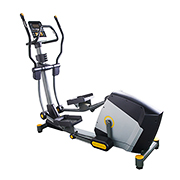
3. Low-Step Elliptical Trainer
Ellipticals deliver full-body cardio with zero foot impact, as feet stay fixed on pedals throughout movements. Opt for models with extra-wide stable handrails and low base height for easy access. It activates arms, legs and core muscles at once, enhancing coordination and bone density without hurting weight-bearing joints. Mobile seniors with stable balance get the maximum benefit from elliptical training.
Portable Strength Training Gear (Lightweight, Low Injury Risk)
Resistance Bands
The most cost-effective strength tool for seniors. Soft elastic bands create smooth, gradual tension with no heavy falling weights, making them safe for users with osteoporosis. Multiple resistance levels allow progressive training: light bands for arm stretches and shoulder mobility, medium bands for leg squats and glute workouts. They fold tiny for storage and can be used seated or standing to maintain muscle strength that prevents falls.
Light Dumbbells (1–3kg)
Select rubber-coated lightweight dumbbells with anti-slip handles. Daily gentle lifting supports upper-body muscle retention and relieves stiff shoulders. Avoid heavy metal weights that strain wrists or cause accidental injuries.
Mobility & Balance Tools (For Daily Activity Independence)
Stability Yoga Ball
A medium-size exercise ball improves core strength, spinal flexibility and sitting balance. Seniors can sit on it for slow hip rotations or gentle stretching; stronger users may add light leg lifts. It eases chronic back tightness caused by long hours of sedentary sitting.
Foam Roller
Simple and affordable for post-workout muscle relief. Slow rolling on calves, thighs and upper backs loosens stiff muscle knots, boosts blood flow and reduces joint soreness after light cardio sessions.
Key Buying Tips for Senior Fitness Equipment
Prioritize low-impact, seated designs to reduce fall and joint injury risks.
Check stable frames, anti-slip bases and auxiliary handholds for extra support.
Pick adjustable magnetic or hydraulic resistance for customizable workout intensity.
Match equipment size to your living space: mini pedal exercisers and bands suit small homes.
Consistent mild exercise with the right gear lets seniors maintain mobility and independent daily living long-term. Whether you prefer full-size cardio machines or compact portable tools, always start with short, low-intensity sessions and stop immediately if joint pain appears.