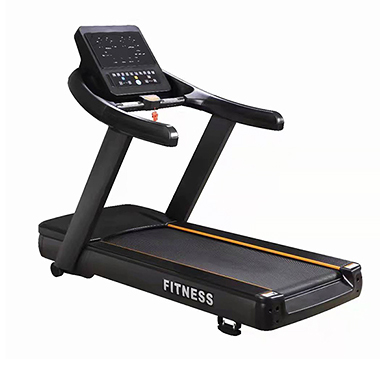
If you have browsed gym gear online or chatted with fitness coaches, you must have seen a popular claim: one single fitness machine can engage nearly 90% of your body’s muscle groups. Many beginners and home gym lovers keep searching “what gym equipment hits most muscles” hoping to find a time-saving, space-efficient workout tool that replaces dozens of separate devices. Today we will break down which machine deserves this title, its muscle activation logic, training benefits, and why it beats ellipticals, treadmills or single-station weight gear.

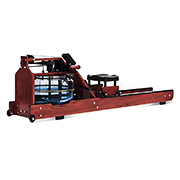
The answer is indoor rowing machines, widely recognized by sports physiologists as the No.1 full-body cardio-strength hybrid equipment that activates roughly 90% of skeletal muscles across your upper body, core and lower body. Unlike treadmills that only target legs with minor core involvement, or chest press machines limited to upper torso, a complete rowing stroke follows a natural kinetic chain: legs drive first, then hip hinge, core stabilization, shoulder retraction and arm pulling. Every movement segment requires coordinated muscle contraction, leaving almost no major muscle group uninvolved.
Let’s split the activated muscle groups clearly to prove the 90% coverage. For lower body (60% of rowing power output), it fires quadriceps, hamstrings, glutes, calves and hip flexors all at once. Your core muscles including rectus abdominis, obliques and lower back erector spinae stay tight throughout the stroke to maintain posture and transfer force between legs and arms. The upper body chain covers latissimus dorsi, trapezius, deltoids, biceps, triceps and forearm flexors; even minor stabilizers in wrists and shoulders get consistent light resistance training. Only tiny isolated muscles like small finger muscles are barely activated, which explains the 90% full-body muscle engagement statistic.
Beyond maximum muscle coverage, rowing machines deliver dual fitness gains: cardio endurance and lean muscle building. One hour of steady rowing burns 580–680 calories on average, far more than walking or light cycling, while continuous resistance builds toned muscle without high joint impact. Runners or weightlifters with knee or ankle pain can safely train on rowers, as all force distributes evenly across hips and torso instead of pounding joints. Both fitness newbies and competitive athletes can adjust magnetic or air resistance levels to match their strength, making it suitable for all age groups.
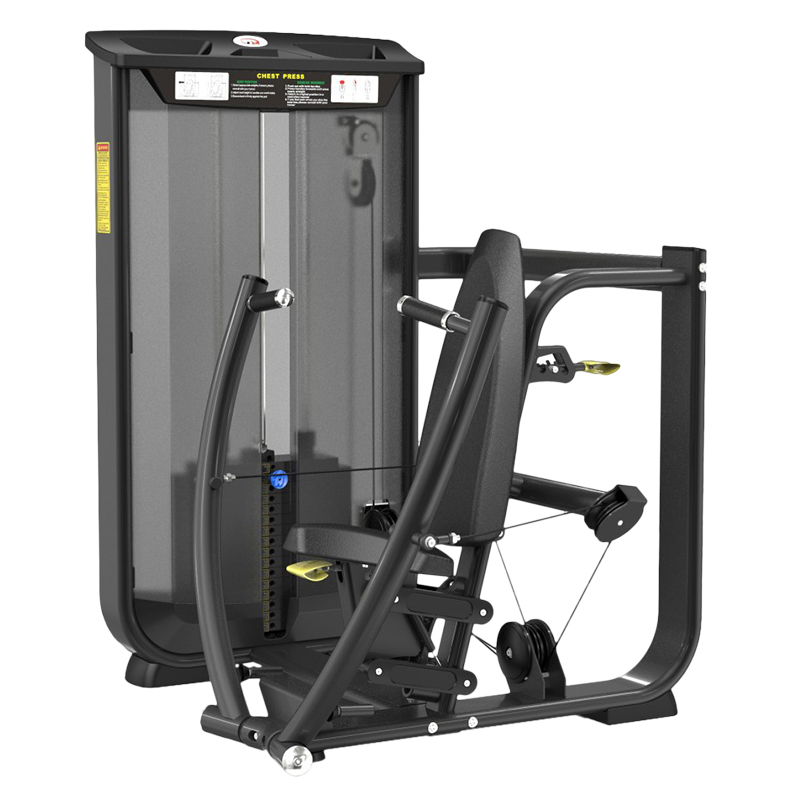
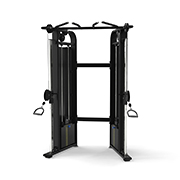
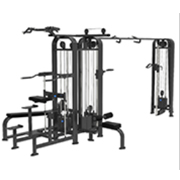
Many home gym shoppers confuse multi-station weight towers with full-body gear. While all-in-one home gyms support over 30 strength moves, they require switching seats, handles and pins to hit different muscle groups, splitting your workout into fragmented sets. Rowing finishes full-body stimulation in one continuous flow, cutting daily training time in half. For small apartments, foldable compact rowers take less floor space than bulky multi-function gym stations, solving the biggest pain point of home fitness enthusiasts.
If your goals include efficient fat loss, balanced muscle development and improved cardiovascular health, investing in a rowing machine is the most cost-effective choice. No other single gym equipment can match its 90% full muscle activation rate, low-impact safety and versatile training modes (steady-state cardio, HIIT, endurance training). Skip buying separate leg, back and arm machines; one rower covers all your full-body fitness demands.