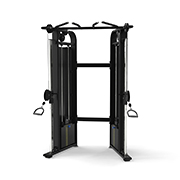
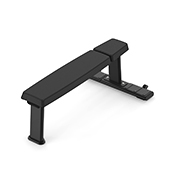
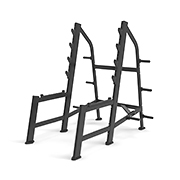
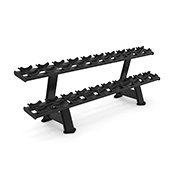
Weight machines are staple equipment in every commercial gym, favored by fitness beginners, rehabilitation patients, and busy gym-goers alike. Unlike free weights such as dumbbells and barbells, these guided machines fix movement tracks with frames, cables and fixed paths. Many people rely solely on weight machines for strength training without fully understanding their unique benefits and inherent limitations. This article breaks down the science-backed advantages and drawbacks of machine-based strength workouts to help you design a balanced, long-term fitness routine that matches your training goals, whether you aim for muscle growth, injury recovery or functional physical performance.

Key Advantages of Weight Machine Training
First, weight machines deliver outstanding safety for new lifters and those recovering from injuries. Their built-in support frames eliminate the risk of losing balance or dropping heavy weights, removing the need for a spotter during solo training. The pre-set movement trajectories restrict unnatural joint twisting, which significantly lowers strains on knees, shoulders and lower backs compared to unguided free weight lifts. For individuals with joint pain, post-surgery recovery or limited mobility, machines create controlled low-stress resistance ideal for rebuilding muscle without aggravating sensitive areas.
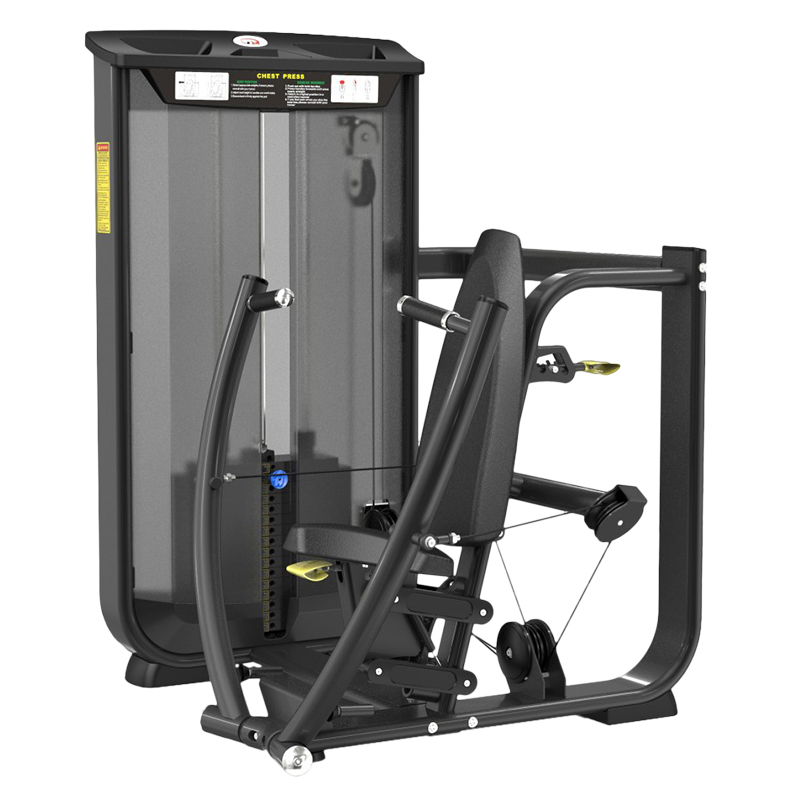
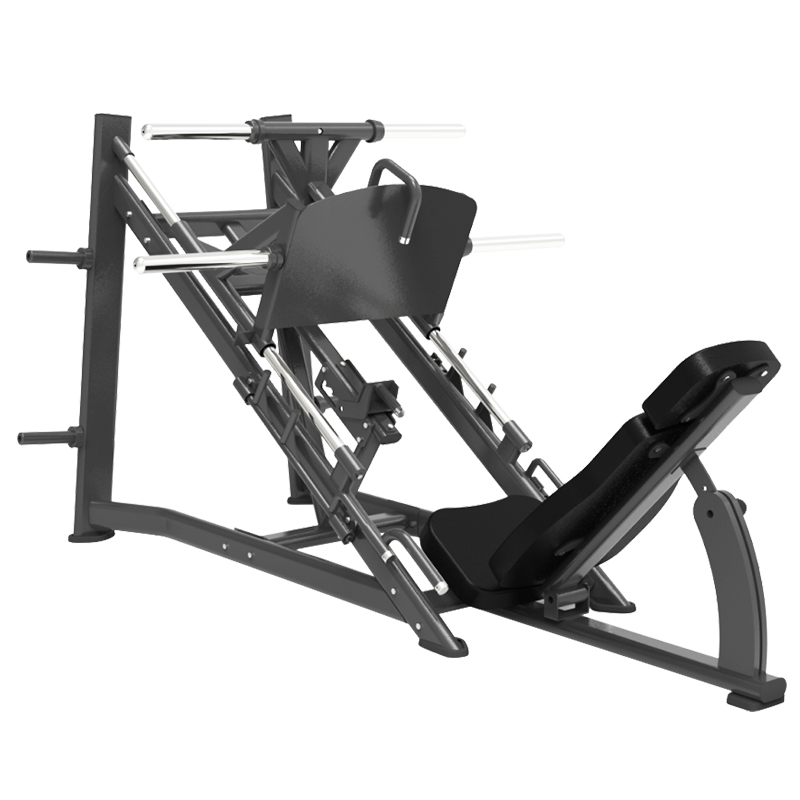
Second, machines simplify correct muscle targeting and form learning. Every device is engineered to isolate a single muscle group—leg press for quads, chest press for pectorals, lat pulldown for lats. New gym users do not need to master complex full-body coordination; they can quickly feel tension in target muscles within minutes. This accessibility lowers the entry barrier to strength training, encouraging sedentary people to start resistance exercise instead of feeling intimidated by complicated barbell lifts. Machines also allow precise load adjustment via weight stacks, making it easy to incrementally boost resistance for steady progressive overload, the core rule of muscle hypertrophy.
Third, weight machines are time-efficient for high-volume training. Users can switch between leg, upper body and core machines rapidly with minimal setup time, perfect for gym visitors with tight schedules. Fixed resistance paths reduce mental focus demands; trainees can concentrate on contraction intensity rather than stabilizing their bodies, supporting faster rep speeds and longer training sets.
Main Disadvantages of Weight Machine Workouts
The most obvious downside is poor functional strength development. Daily activities, sports and real-life movements require core and stabilizer muscles to maintain balance, which machines barely activate. Since frames bear most stabilizing work, smaller auxiliary muscles receive little stimulation. Over time, relying only on machines creates a muscle imbalance: major prime movers grow strong, while tiny stabilizers stay weak, raising long-term injury risks during walking, lifting household objects or athletic activity.
Next, muscle growth potential hits a ceiling faster. Isolated machine movements only work muscles within a narrow fixed range of motion. Free weights engage muscles through full natural movement arcs and recruit more muscle fibers simultaneously, triggering greater testosterone and growth hormone release. Lifters who only use machines often struggle to build full, symmetrical muscle mass and hit frustrating plateaus quickly.
Another limitation is restricted transfer to sports and daily life. Athletes aiming for explosive power, agility or coordination gain minimal sport-specific benefits from machine training. Movements on machines do not mimic real-world multi-joint motions like squatting, pulling or throwing, so strength built on equipment rarely translates to improved athletic performance.
Conclusion
Weight machines serve as an excellent supplementary training tool, especially for beginners, rehab trainees and those prioritizing safe, quick isolated muscle work. However, they cannot fully replace free weight, bodyweight or functional training for complete physical fitness. The optimal science-backed strategy combines machine workouts for targeted muscle isolation with free weights to build stabilizer muscles and functional strength. Matching training tools to your personal goals will maximize gains while avoiding muscle imbalance and training plateaus in the long run.