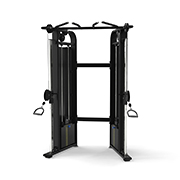
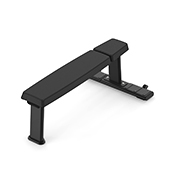
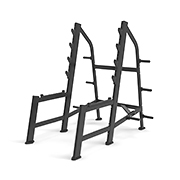
If you struggle to squeeze long gym sessions into a packed daily schedule, kettlebell training is the game-changing fitness solution you have been searching for. Unlike dumbbells, barbells, or bulky weight machines that require separate workouts for upper body, lower body and core, a single kettlebell delivers full-body strength gains in just 20 minutes per session. This time-efficient training tool combines resistance, cardio and mobility work all at once, making it ideal for busy professionals, stay-at-home parents, fitness beginners and experienced athletes alike.

Many people dismiss kettlebells as niche CrossFit gear, but they are one of the most versatile pieces of home gym equipment available. The offset weighted bell forces your entire torso, hips, shoulders and legs to engage constantly to stabilize movement. Every standard kettlebell exercise hits multiple muscle groups simultaneously: glutes, quads, hamstrings, shoulders, back, arms and deep core muscles activate in one single swing or clean. Traditional split workouts often take 60 to 90 minutes to target the same muscle groups, while a structured 20-minute kettlebell routine eliminates wasted rest time between isolated lifts.
A balanced 20-minute full-body kettlebell training plan follows a simple work-rest cycle that maximizes strength and calorie burn without overtraining. Start with a 3-minute dynamic warm-up to loosen joints: arm circles, bodyweight squats, hip hinges and light kettlebell swings to wake up your posterior chain. The core 14-minute workout uses a circuit format with 40 seconds of movement and 20 seconds of rest between each exercise. Stick to these foundational compound moves for all fitness levels: kettlebell swings, goblet squats, overhead presses, bent-over rows and Russian twists. Finish with a 3-minute cool-down of static stretches targeting tight hips, hamstrings and upper back to reduce muscle soreness.
Beginners often make the mistake of choosing overly heavy kettlebells at first, which ruins form and raises injury risks. New lifters should start with lighter weights to master hip hinge technique—the backbone of all kettlebell training. Proper swing form relies on hip drive, not arm pulling; your arms only act as a connection point between your body and the weight. Master this basic movement before adding overhead carries or snatches, and you will build sustainable full-body strength safely over weeks of consistent practice.
Consistent daily 20-minute kettlebell training offers long-term physical benefits beyond muscle growth. Regular sessions boost functional strength that translates to everyday tasks, from lifting groceries to climbing stairs without fatigue. The continuous full-body engagement elevates heart rate throughout the circuit, supporting steady fat loss while preserving lean muscle mass—something slow, isolated weight training rarely achieves. Users also report improved posture, reduced lower back discomfort from desk work, and better overall balance after one month of short daily kettlebell workouts.
One major advantage of kettlebell training is its minimal space requirement. You only need a small clear area the size of a yoga mat, so it fits perfectly in apartments, spare bedrooms or hotel rooms during travel. No complex racks, cables or multiple weight sets are necessary; one or two kettlebells cover all full-body strength demands.
You do not need hours of free time to build a stronger, more capable body. A focused 20-minute daily kettlebell routine cuts workout time in half while delivering complete full-body muscle activation. Whether you are new to strength training or searching for a time-saving upgrade to your current gym plan, kettlebell training balances efficiency, accessibility and powerful long-term fitness results for every age and ability level.