If you are building a home gym or upgrading equipment for a commercial fitness center, a fixed barbell stands out as one of the most reliable strength training tools on the market. Unlike adjustable barbells that require frequent weight plate swapping, fixed barbells come pre-loaded with solid, permanently attached weights, delivering unmatched stability and convenience for every lifter from fitness beginners to professional bodybuilders. This guide breaks down why a stable fixed barbell deserves a spot in your workout space, its core benefits, ideal training uses, key buying criteria, and how it compares to adjustable alternatives to match your fitness goals.

Core Advantages of a Stable Fixed Barbell
The biggest draw of a high-quality fixed barbell is its unbeatable stability during lifts. Each weight head is tightly secured to the steel bar core, eliminating wobbling, slipping plates, or loose collars that create safety risks with adjustable barbells. When performing bench presses, overhead shoulder presses, front squats, or bent-over rows, the balanced weight distribution keeps your focus on muscle contraction rather than stabilizing shifting plates.
Time efficiency is another major upside. Adjustable barbells force you to pause mid-workout to add, remove, and lock weight plates, breaking your training rhythm and extending session length. Fixed barbells skip this hassle entirely. You can grab a 10kg barbell for warm-ups, move straight to a 25kg barbell for heavy sets, and switch weights in seconds without extra tools. This streamlined workflow maximizes workout volume within limited time, perfect for busy home gym users and high-traffic commercial gyms where multiple members share equipment.
Most premium fixed barbells feature rubber or urethane-coated weight heads, two practical benefits for any space. The thick coating absorbs impact when setting the bar down, reducing loud clanging noises that disturb household members or other gym-goers. It also protects hardwood floors, rubber gym flooring, and wall surfaces from scratches, dents, and metal scuffs—an essential feature for apartment home gyms and boutique fitness studios with delicate flooring.
Ergonomic non-slip steel handles further boost safety and comfort. Textured knurling prevents sweaty hands from sliding during heavy lifting, lowering the chance of accidental drops. The solid steel bar core resists bending or warping under repeated heavy loads, delivering long-term durability even with daily commercial use. Unlike flimsy budget barbells that bend after months of regular training, heavy-duty fixed barbell models maintain structural integrity for years with minimal maintenance.
Best Workouts for Fixed Barbells
A stable fixed barbell supports full-body strength training, covering all major muscle groups with versatile movement patterns. Lower-body exercises include back squats, lunges, glute bridges, and Romanian deadlifts to build leg, glute, and hamstring mass. Upper-body lifts target chest, shoulders, triceps, back, and biceps via bench press, overhead press, barbell rows, bicep curls, and tricep extensions. Functional fitness enthusiasts also use fixed barbells for HIIT circuits, metabolic conditioning, and cross-training routines, as their consistent weight balance reduces fatigue during fast-paced repeated sets.
For gym owners, stocking a full set of fixed barbells (ranging from light 5kg models up to heavy 50kg options) caters to every user. New lifters start with lightweight fixed barbells to master proper form without plate distractions, while seasoned athletes rely on heavy fixed bars for progressive overload and muscle growth.
Fixed Barbell vs Adjustable Barbell: Quick Comparison
Many shoppers struggle to choose between fixed and adjustable barbells, and stability is the defining difference. Adjustable barbells rely on spring collars to hold loose plates, which shift slightly under heavy load and require constant tightening. Fixed barbells eliminate this variable entirely, making them safer for high-rep sets and max-weight lifts.
Adjustable barbells save storage space for users with extremely limited room but waste workout time on plate changes. Fixed barbell sets need dedicated storage racks but cut down training downtime drastically. For commercial gyms and home gyms prioritizing workout efficiency and safety, stable fixed barbells are the superior investment.
How to Choose a High-Quality Fixed Barbell
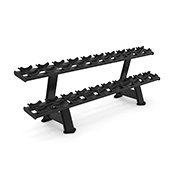
Prioritize three features when shopping: solid steel bar construction, thick rubber-coated weights, and deep anti-slip knurling. Check weight increments to match your training progression needs, and opt for a storage rack if purchasing a full set to keep your workout area tidy. Avoid cheap plastic-coated fixed barbells with thin steel bars; these bend easily and lose coating after light regular use.
Conclusion
A stable fixed barbell is a versatile, low-maintenance strength training staple for home and commercial gyms alike. Its permanent pre-attached weights deliver consistent balance, faster workouts, and enhanced safety compared to adjustable barbells, while rubber coating protects your space and minimizes noise. Whether you are a casual home lifter chasing consistent training progress or a gym owner outfitting a professional fitness facility, investing in a durable fixed barbell set streamlines every strength session and supports long-term muscle development. With zero plate swapping, reliable stability, and full-body workout compatibility, fixed barbells remain the most practical weightlifting equipment choice for all fitness skill levels.