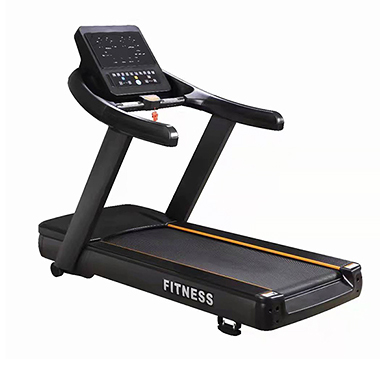
If you’re outfitting a boutique gym, hotel fitness room, corporate wellness center, or upgrading your home workout space, one critical question arises: should you buy a commercial treadmill or a residential treadmill? Many first-time buyers mistakenly pick a cheaper home model for high-traffic gym use, only to face overheating motors, broken frames, and frequent repair bills within months. Understanding the core gaps between commercial and residential treadmills helps you avoid costly mistakes and match equipment to your daily usage demands. This guide breaks down six non-negotiable differences every buyer must evaluate before purchasing.

1. Motor Design & Continuous Duty Capacity
The biggest divide lies in motor build and runtime tolerance. Commercial treadmills feature AC or heavy-duty DC continuous horsepower (CHP) motors rated 3.5–7.0 CHP, engineered to run 8–14 hours daily nonstop without overheating. Gyms see back-to-back users during morning and evening peak hours, and commercial motors maintain steady speed and torque under constant heavy load, even with multiple heavy runners in sequence.
Residential treadmills rely on smaller intermittent-use DC motors, often marketed with inflated peak horsepower instead of true CHP. They safely operate just 1–3 hours per day, with mandatory cool-down breaks between workouts. Running a home treadmill for four hours straight triggers overheating, speed drops, and permanent motor damage—an unsustainable risk for any commercial facility.
2. Frame Build, Weight & Weight Capacity
Commercial units use thick, fully welded heavy-gauge steel frames, weighing 350–500 lbs as standard. Rigid construction eliminates wobble during fast sprints or incline training, and they support user weights up to 400 lbs. Almost no commercial treadmills fold; stability and durability override space-saving needs for public gym environments.
Residential treadmills use thinner bolted steel frames, most fold for easy storage. Their lighter 150–250 lb bodies suit occasional solo home workouts, with a typical maximum user limit of 300 lbs. Intense daily group use creates frame flex, loosened bolts, and premature structural wear on home machines.
3. Running Deck, Belt & Cushioning
Commercial treadmills come with wide 56–60 cm running belts and double-sided reversible hardwood decks, plus multi-layer shock absorption systems. Wider belts prevent side stepping injuries for gym members of all sizes, while reinforced belts resist abrasion from hundreds of weekly users. Many include self-lubricating systems to cut routine maintenance frequency.
Residential belts measure 45–51 cm wide with single-use thin decks and basic cushioning. The narrow surface works fine for one person’s daily 30-minute jog but feels cramped in shared spaces, and thinner belts wear out rapidly under heavy, frequent use. Home models require monthly manual lubrication to avoid friction damage.
4. Lifespan & Warranty Coverage
With consistent professional servicing, a commercial treadmill lasts 10–15 years under full gym operation. Manufacturers back critical components with robust warranties: 5–10 years for motors and frames, 2–3 years for labor and parts—coverage tailored to business owners’ long-term investment needs.
Standard residential treadmills carry shorter lifespans of 5–8 years with light use, dropping to under 3 years if pushed to commercial workloads. Warranty terms reflect limited domestic use: only 1–3 years for motors, 2–5 years for frames, and short 90-day labor coverage. Most brands void residential warranties if used in a public gym or rental space.
5. Console & Workout Functionality
Commercial consoles feature large HD touchscreens, dozens of preset professional training programs, Bluetooth streaming, heart rate monitoring racks, and USB charging ports for member convenience. Speed ranges extend to 12 mph with 0–15% maximum incline to cater to casual walkers, marathon runners, and HIIT athletes alike.
Residential control panels offer smaller LCD screens, fewer workout presets, and narrower speed/incline ranges (max 10 mph, 0–10% incline). While smart connectivity is common on premium home treadmills, they lack the heavy-use touchscreen durability built for hundreds of daily operators.
6. Upfront & Long-Term Cost
Commercial treadmills carry a higher initial price tag, but they deliver far better value over time. Minimal breakdowns, longer service intervals, and extended warranties slash ongoing repair and replacement costs for gym operators.
Residential treadmills have low upfront costs, yet frequent part replacements, motor failures, and voided warranties turn them into expensive liabilities when deployed for commercial fitness facilities. For private home use with light, single-user sessions, they remain a budget-friendly pick.
Final Verdict
Choose a commercial treadmill if you run a gym, studio, hotel, or office fitness room with multiple daily users. Pick a residential treadmill only for private home, light, occasional single-person workouts. Ignoring these core differences leads to frequent downtime, unhappy users, and wasted investment. Match your treadmill’s build to your usage volume to maximize performance and equipment lifespan.