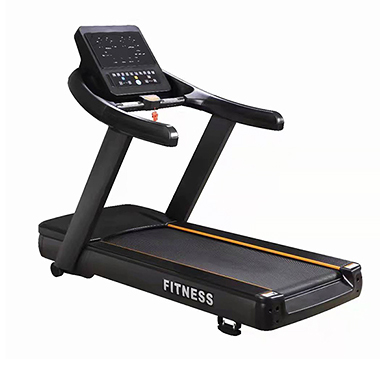
If you carry extra body weight and want to start regular cardio for fat loss, endurance improvement and better daily mobility, one question frequently comes up: should you pick a treadmill or a stair climber? Both are mainstream cardio machines widely seen in home gyms and fitness centers, yet they deliver completely different stress on knees, hips and ankles. Making the wrong choice easily leads to joint discomfort, burnout or early quitting. Below we break down their advantages, risks and ideal user groups for overweight exercisers.

Many people assume stair climbers are fully low-impact and automatically safer for larger bodies. It is true there is no hard landing shock compared with running, but stair climbing creates sustained vertical load on knee joints. Every upward step forces your knees to bend deeply while supporting your full body mass. When form collapses — such as hunching forward and heavily gripping handrails — uneven pressure concentrates on the kneecaps. For overweight beginners with weak leg muscles or mild knee sensitivity, prolonged stair climber sessions may gradually trigger joint soreness. On the positive side, stair climbers activate glutes, quads and hamstrings at the same time, offering high calorie burn within shorter workout windows. It works well if you already have decent lower-body strength and maintain upright posture throughout training.
Treadmills offer far greater flexibility for overweight users, as the training effect largely depends on how you operate the machine. Flat or low-incline brisk walking on a cushioned treadmill deck generates minimal impact. Avoid jogging or running at the beginning; constant foot striking under heavy body weight dramatically raises injury risks. Incline treadmill walking has become a popular alternative: raise incline between 5% and 10%, keep speed slow and stable. This boosts calorie expenditure, strengthens leg muscles and mimics uphill movement without the extreme knee flexion required by stair climbers. Another obvious benefit of treadmills is the gentle learning curve. Almost everyone knows how to walk, so overweight newcomers can start with short 15–20 minute sessions and slowly extend duration.
So what is the practical decision guide for larger exercisers?
Choose a treadmill first if you are new to regular workouts, have sensitive knees, or prefer adjustable, low-stress training. Stick to walking and incline walking; delay running until you drop weight and build stronger leg support.
Try a stair climber if you have no history of knee pain, want faster calorie burn and aim to shape your lower body. Always start at low resistance, limit single sessions under 30 minutes, and avoid leaning all weight on handlebars.
The best cardio machine is not the one with the highest calorie burn rate. Consistency and injury prevention matter more for long-term weight loss. Many fitness enthusiasts also alternate between two machines weekly to avoid overloading certain joints and fight workout boredom. Pair regular cardio with balanced eating to create a sustainable calorie deficit, and you will see steady progress safely.
Final tip: Wear supportive cushioning footwear, warm up for 5 minutes before every session, and stop immediately once you feel persistent knee pain. Safe training lets you keep exercising month after month.