If you are hunting for an effective cardio routine but tired of sore knees, ankle pain or stiff hips after running or high-impact workouts, a rowing workout could be your ideal solution. Many fitness enthusiasts overlook indoor rowing, yet it delivers full-body calorie burn while remaining gentle on connective tissues and joints. It is no surprise aerobic rowing grows rapidly popular among beginners, older adults, injury recoverers and long-term fitness lovers.

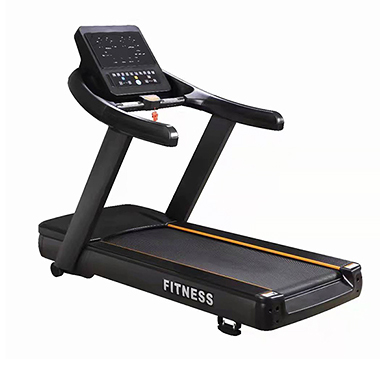
Traditional high-impact cardio such as jogging, jump rope and bootcamp drills creates repeated impact force every time your feet hit the ground. Over weeks and months, this constant shock strains knees, ankles and lower back joints. Even cycling may place continuous pressure on knee joints for some users. Indoor rowing works differently. You stay seated throughout the entire session. There is no jumping, no pounding, and minimal vertical impact. All movement happens along a smooth horizontal track, drastically lowering joint stress.
What makes rowing stand out is that it engages 86 percent of your muscle groups in one single movement. Each stroke activates legs, core, back, shoulders and arms in sequence. Unlike elliptical trainers that focus heavily on lower-body muscles, rowing balances upper and lower body effort evenly. More activated muscles mean higher energy consumption. With consistent moderate aerobic rowing, people can burn a comparable number of calories to running, without the physical toll.
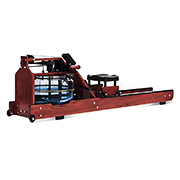
Beginners often make one common mistake: pulling hard with only their arms. Correct rowing form follows a clear order: push with legs first, engage your core, then pull the handle toward your lower chest. When finishing the stroke, slowly extend arms, hinge your torso forward and slide the seat back to the starting position. Poor posture not only cuts calorie-burning efficiency but also leads to unnecessary back tension. Mastering proper form guarantees safe, sustainable long-term training.
You can tailor rowing workouts to match your personal goals. For steady-state aerobic training, maintain moderate pace for 20 to 40 minutes. This option improves cardiovascular endurance and supports steady weight management. If you want faster calorie expenditure, try short rowing HIIT sessions: alternate between one minute of slightly intense strokes and two minutes of relaxed recovery. Both formats stay low-impact and protect vulnerable joints.
Who benefits most from rowing workouts? Runners recovering from leg injuries, people carrying extra body weight, middle-aged and senior exercisers, and anyone with chronic knee discomfort. It also works perfectly as cross-training for athletes to boost stamina without overloading joints.
No workout delivers results overnight. Short, frequent rowing sessions beat occasional exhausting long workouts. Start with 15 to 20 minutes three times each week. Gradually extend training duration once your body adapts. Pair regular rowing with balanced nutrition to maximise fat loss and overall fitness gains.
Finding a joint-friendly cardio method does not mean settling for low calorie burn. Rowing workouts combine full-body activation, flexible training structures and zero harsh impact. Whether you aim to shed weight, strengthen your heart or stay active pain-free, indoor rowing checks every box. Swap pounding high-impact exercise for smooth, powerful row strokes and feel the difference for yourself.