If you scroll through modern fitness studio social media or home gym setups, you will likely spot a long wooden sliding fitness device known as a core training bed, widely called the Pilates reformer. Many fitness beginners feel confused about this piece of equipment: what exactly it does, who it fits, and whether it deserves a spot in your workout routine. This guide breaks down the basics, key benefits, typical workouts, and buying considerations for core training beds.

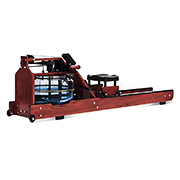
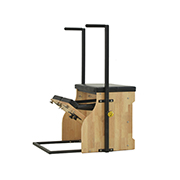
A core training bed (Pilates reformer) consists of a sturdy wooden frame, a smooth sliding carriage, adjustable resistance springs, foot‑rest blocks, shoulder supports, and pull‑down straps. Unlike regular floor mat workouts, your body sits, lies, or kneels on the movable carriage. Springs create adjustable resistance, challenging your muscles as you push, pull, stabilize, and control movement. Joseph Pilates originally designed this equipment decades ago to support physical rehabilitation. Today, it has evolved into mainstream fitness gear for studios and home gyms across the globe.
The biggest advantage of training on a core training bed lies in controlled resistance. Mat Pilates relies purely on your body weight. The reformer’s springs offer light to heavy tension, so you can easily modify difficulty for different fitness levels. When the carriage slides, your body must constantly engage deep core muscles to keep balance. This does not only target superficial abs. It activates transverse abdominis, pelvic floor, and lower back muscles, which are often neglected in standard gym training.
Consistent core training bed practice brings multiple well‑documented physical rewards. First, it improves overall posture. Many people spend long hours sitting, leading to rounded shoulders and weak mid‑sections. Reformer movements lengthen tight chest muscles while strengthening the back and core, helping you stand and sit straighter over time. Second, it boosts joint‑friendly strength. Low‑impact spring tension puts minimal pressure on knees, hips, and spine. That makes it suitable for post‑injury rehabilitation, prenatal and postnatal training, older adults, and people who cannot handle high‑impact exercises like running. Third, it enhances flexibility and muscle tone. Movements combine stretching and muscle contraction, building lean muscle without bulky overdevelopment.
What workouts can you perform on a core training bed? Beginners usually start with foundational moves. Footwork on the foot bar warms up legs and glutes. The hundred exercise activates core stability. Short spine massage stretches the spine. As you gain confidence, you can advance to lunges, side‑lying series, and arm strap work to target shoulders and upper‑body stability. Every exercise emphasizes slow, precise movement, breath control, and muscle awareness instead of fast repetitions. Proper form always beats higher spring resistance.
When thinking about purchasing a core training bed, you have two main scenarios: studio use and home use. Commercial studio‑grade wooden reformers feature heavy‑duty frames, durable springs, and full accessory sets for daily heavy usage. Home‑use core training beds are built for smaller spaces, with compact sizing and simplified accessories. Always check frame material, spring quality, carriage sliding smoothness, and safety locking structures before buying. Low‑cost poor‑quality models risk unstable sliding and shorten service life.
Is a core training bed right for you? It works for total fitness beginners, seasoned gym enthusiasts, rehabilitation patients, and group‑class participants. If you want stronger deep core, better posture, low‑impact toning, or physical recovery support, this equipment delivers great value. If you are brand‑new to reformer training, start with guided classes to master basic form before independent home practice.
To sum up, the core training bed (Pilates reformer) is far more than fancy gym furniture. It merges strength building, stretching, and physical recovery into one versatile machine. Whether you visit a local Pilates studio or plan home‑gym investment, understanding how this equipment functions helps you make smarter fitness decisions for your long‑term physical health.