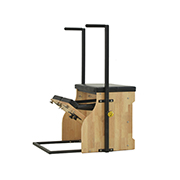
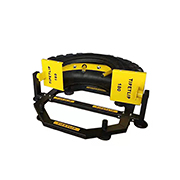
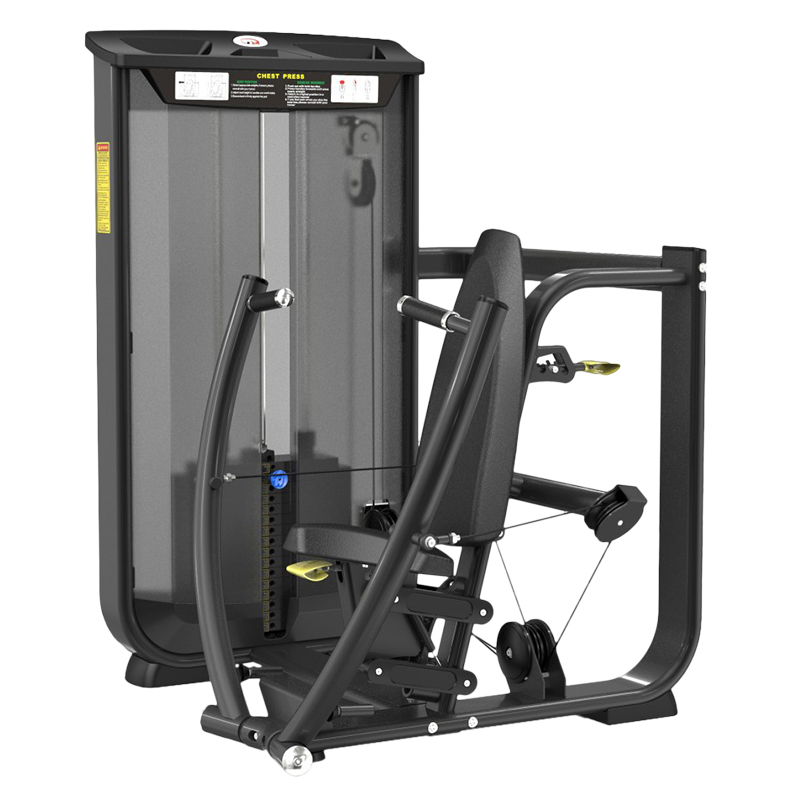
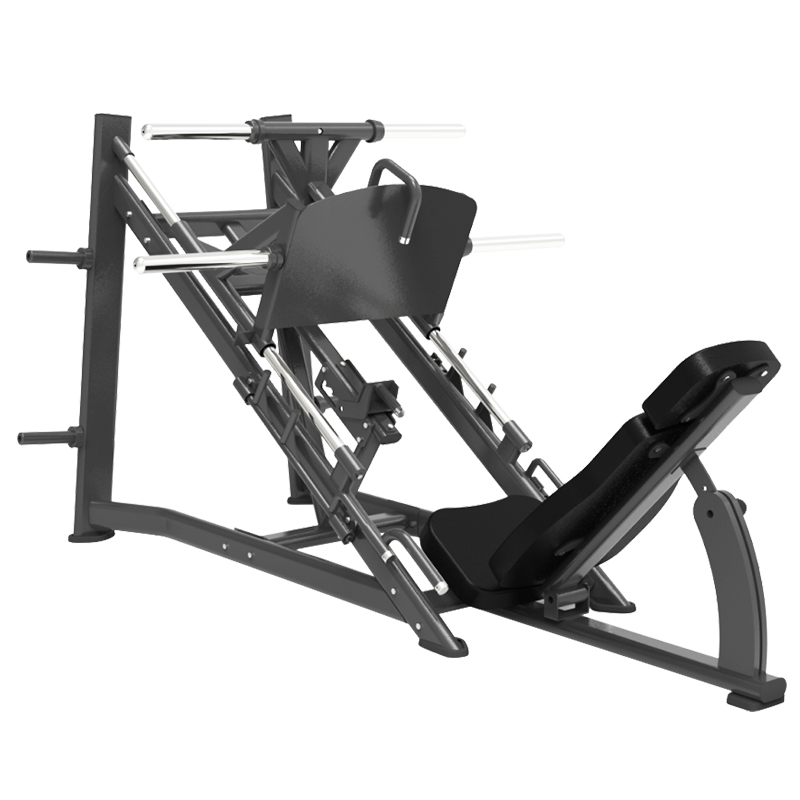
When designing an upper‑body training routine, few compound exercises deliver as much value as the chest press and shoulder press. Both are staple pressing movements that engage multiple muscle groups at once, helping lifters build strength, muscle mass, and functional fitness without wasting workout time. Whether you train at home with dumbbells, use gym machines, or work on Pilates reformer equipment, understanding how to use chest press and shoulder press correctly can drastically improve your upper‑body results.

At first glance, these two presses look similar, yet they target distinct muscle regions. The chest press mainly activates the pectoralis major and minor, triceps, and front deltoids. It focuses horizontal force, pushing weight away from your chest. The shoulder press, also known as overhead press, drives weight vertically upward, prioritizing the anterior and medial deltoids, upper triceps, upper traps, and core stabilizers. Many fitness enthusiasts make the mistake of treating them as interchangeable. Skipping either movement creates weak points: over‑reliance on chest press can leave shoulders underdeveloped, while only doing overhead presses limits chest growth. Including both in your weekly plan creates balanced upper‑body development.
One of the biggest benefits of pairing chest press and shoulder press is time efficiency. Compound pressing moves allow you to hit several muscle groups in fewer sets, ideal for busy gym‑goers, older adults building functional strength, and recreational athletes. You can arrange them within the same training session or split them across different workout days. If combining both in one workout, most coaches recommend performing shoulder press first when your shoulders are fresh. Fatigued shoulder stabilizers increase injury risk during overhead movement. Follow up with chest press once your upper‑body power slightly drops. This simple ordering rule helps maintain good technique and lowers joint strain.
Poor form cancels out training gains and raises injury risks, especially for the shoulders. For chest press, keep your feet planted firmly, avoid arching your back excessively, and control the weight on the lowering phase. Do not lock out your elbows fully at the top of each rep. For shoulder press, brace your core, keep your ribs down, and prevent excessive lower‑back arch as you push upward. Many lifters flare elbows out too wide during both presses, putting unnecessary stress on shoulder joints. Adjust your elbow angle to roughly 45 degrees from your torso to keep shoulders safe. Beginners should start with lighter loads to master movement patterns before adding heavy weight.
Rep and set programming depends on your personal goals. For general strength improvement, aim for 3‑4 sets of 6‑10 repetitions for each exercise. If muscle endurance is your target, shift toward 12‑15 reps per set. Progressive overload remains critical: slowly increase weight, reps, or reduce rest time over weeks to keep challenging your muscles. Rest 60‑90 seconds for hypertrophy work, or 2‑3 minutes when lifting heavier for raw strength.
Many people wonder who should add these two presses to their workouts. They work well for most fitness levels. New exercisers build foundational upper‑body power. Intermediate lifters boost muscle size. Older trainees preserve pushing strength needed for daily actions such as lifting objects overhead. Those with existing shoulder discomfort must monitor pain levels; reduce weight and adjust range of motion if you feel sharp joint pain.
To wrap up, chest press and shoulder press form the backbone of any solid upper‑body program. They are efficient, versatile, and produce tangible strength gains when executed with proper technique. You do not need dozens of isolation exercises to build a capable upper body. Master these two core pressing movements, apply progressive overload consistently, and you will notice improvements in strength, posture, and muscle definition over time.