Hamstring training is a critical yet often overlooked part of leg day routines. Most gym-goers rely on leg curls to build stronger, bigger hamstrings, but few understand the major differences between prone leg curls and seated leg curls. While both target the posterior thigh muscles, their body positioning, muscle activation, hypertrophy gains, and injury risks vary significantly. Choosing the right variation can optimize your gains, fix muscle imbalances, and align with your fitness goals.

Core Mechanical & Postural Differences
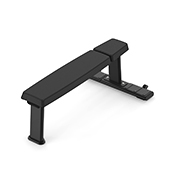
The primary distinction lies in hip positioning, which reshapes how hamstrings work during each rep. A prone leg curl is performed lying face down on a flat bench, with hips fully extended and knees hanging off the edge. This neutral hip position keeps hamstrings at a relatively short resting length throughout the movement.
Muscle Activation & Hypertrophy Benefits
Prone leg curls excel at overall hamstring engagement with lighter mechanical stress on stretched fibers. They activate more secondary stabilizers, including glute muscles and lower back stabilizers, making them ideal for building functional posterior chain strength. Since the movement allows slight hip adjustment, it feels more natural for lifters with tight hamstrings.
Seated leg curls are far more stable and beginner-friendly. The fixed back pad eliminates torso leaning, lower back arching, and muscular compensation. This zero-compensation design makes them perfect for hypertrophy-focused training, rehabilitation, and novice lifters mastering form. It also avoids lumbar spine hyperlordosis, a common issue with heavy prone curls.
Which One Should You Choose?
Opt for prone leg curls if you want functional posterior chain strength, improved athletic performance, or balanced stabilizer muscle development alongside hamstring training.