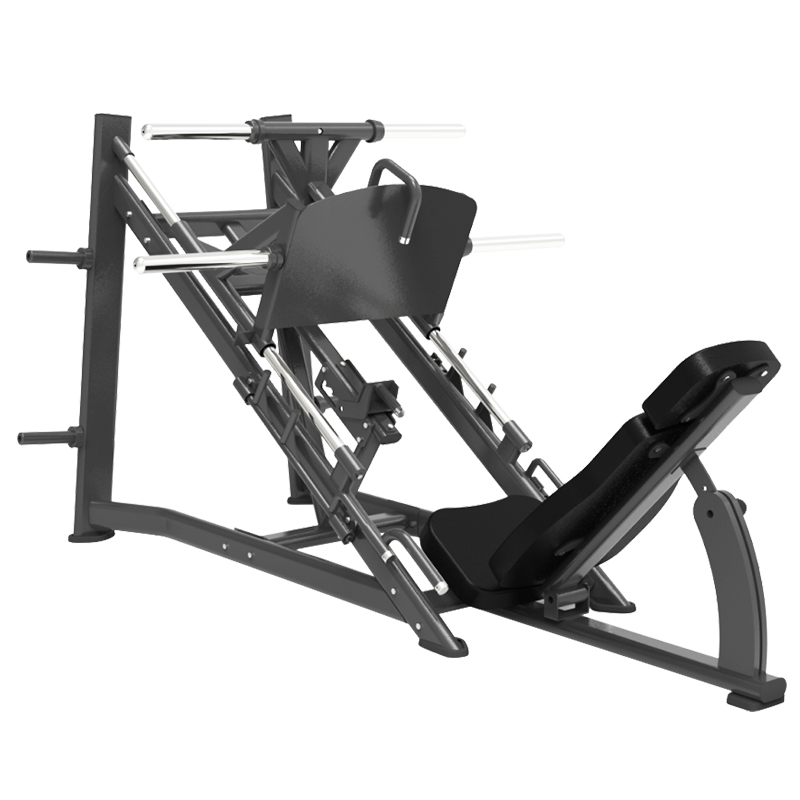
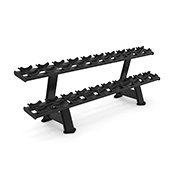
If you are searching for powerful commercial gym equipment to level up lower‑body training, the squat lunge machine stands out as a practical plate‑loaded station designed to replicate natural squat and lunge movement patterns. Many gym‑goers struggle to perform perfect free‑weight lunges or back squats due to balance limits, core weakness or joint discomfort. This dedicated machine removes stability barriers so users can focus purely on building strength in glutes, quads and hamstrings without worrying about tipping over or poor form.

Unlike generic leg press or hack squat machines that push weight with feet against a fixed platform, the squat lunge machine features a ground‑based stance. Athletes stand on the floor, which preserves the natural biomechanics of bodyweight squats and walking lunges. Weight plates are loaded onto external pegs, delivering resistance directly to your torso and hips. Your feet can shift width, rotate angles and alternate forward‑stepping lunge positions, just as you would during free‑weight training. This is its biggest advantage over seated leg machines: it trains functional, real‑world movement instead of isolated seated muscle contraction.
Which muscles does a squat lunge machine target? Primary worked muscle groups include quadriceps, gluteus maximus, hamstrings and hip adductors. Your calves, core stabilizers and even minor muscles around the hips activate continuously to hold proper posture. When performing alternating lunge reps on this station, one leg stretches while the other bears most load, improving unilateral leg strength. Unilateral training fixes muscle imbalances, a common problem for people who stick only to bilateral barbell squats, where the stronger leg often takes more of the work.
Beginners and advanced gym users can both benefit from this equipment. New trainees who lack confidence with a barbell on their back can learn proper knee‑tracking and hip‑hinge mechanics safely. Since there is no bar resting across the upper spine, it greatly reduces compression pressure on the cervical and lumbar spine. For intermediate and advanced lifters, you can stack heavy weight plates to drive progressive overload. Competitive athletes such as runners, basketball players and weightlifters frequently integrate the squat lunge machine into weekly leg days to boost explosive power for sprinting, jumping and changing direction.
Correct form determines training outcomes. Keep your chest up and shoulders retracted throughout every rep. Push your hips backward first before bending knees, avoid letting knees cave inward past your toes. For lunge variations, step one foot forward in a long stance, lower until both knees form roughly 90‑degree angles, then drive through your heel to stand back upright. Control the lowering phase, never drop weight fast with gravity. Rushing reps creates unnecessary stress for knee joints and lowers muscle activation.
For gym facility owners, adding a squat lunge machine brings clear value. It fits high‑traffic commercial gyms, cross‑fit boxes and performance training centers. Multiple trainees can rotate through sessions quickly, and its heavy‑gauge steel frame stands up to daily heavy use. Compared with buying separate squat racks and lunge stations, this single piece covers two key lower‑body movement patterns and saves valuable floor space.
To sum up, the squat lunge machine bridges the gap between free‑weight mobility and guided safety. It builds functional lower‑body power, corrects left‑right strength gaps and protects your spine while pushing intensity higher. Whether you aim to grow bigger leg muscles, improve sports performance or make leg workouts friendlier for sensitive joints, this plate‑loaded station is worth including in your regular training plan.