If you want bigger, fuller biceps, two exercises dominate most arm day routines: concentration curls and standard bicep curls. Both target your biceps brachii, but they hit the muscle in very different ways. Understanding the difference between concentration curl vs bicep curl helps you pick the right movement for your goals, avoid wasted effort, and maximize arm growth.

The standard bicep curl, often just called barbell curl or dumbbell bicep curl, is the staple mass-builder for your upper arms. It is a compound isolation movement that lets you load heavier weight. When you perform a bicep curl, your upper arm stays vertical next to your torso as you bend at the elbow to lift the weight upward. This movement works both the long head and short head of the biceps, with a small amount of assistance from your brachialis and forearm flexors.
Because you can use more weight, bicep curls are ideal for building overall bicep thickness and raw muscle size. This exercise fits perfectly at the start of your arm workout, when your energy levels are highest. The downside? It is easier to cheat. Many lifters swing their shoulders and hips to momentum to heave the weight up, reducing tension on the biceps and raising injury risk for your lower back and shoulders.
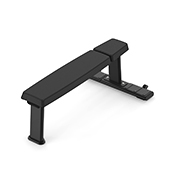
Concentration curls are a single-joint isolation exercise designed to isolate the biceps completely. The classic setup has you sit down, rest one elbow against your inner thigh, and slowly curl the dumbbell upward without moving your upper arm. Your torso leans slightly forward, locking your elbow in place so your bicep does all the work. There is almost no room to use body momentum.
This static upper-arm position creates constant tension on the biceps, especially at the peak contraction at the top of the movement. Concentration curls shine for peak bicep development — that rounded “bicep peak” you see on physique athletes. Since the weight load is lighter than regular bicep curls, this exercise works best later in your workout as a finishing movement. It also helps fix muscle imbalances, because you train each arm one at a time.
So which one should you choose? If your main goal is to add overall bicep mass and strength, lead your arm day with bicep curls. The heavier loading stimulates more muscle fiber growth across the entire bicep. If you want to refine your bicep peak, improve mind-muscle connection, or fix uneven arm development, add concentration curls after your main bicep work.
Most lifters get the best results by combining both. Start with 3–4 sets of heavy bicep curls, then finish with 2–3 sets of slow, controlled concentration curls. Prioritize quality over speed on concentration curls; squeeze hard for one full second at the top, and lower the dumbbell slowly over two seconds.
Common mistakes to avoid: swinging weight on standard curls, rushing the eccentric lowering phase, and straining your neck or shoulder during concentration curls. Do not overload concentration curls with heavy dumbbells. The value comes from constant muscle tension, not max weight.
Your biceps have two heads, and no single exercise hits every part perfectly. Standard bicep curls build overall size and strength, while concentration curls carve out that sharp bicep peak. By using both exercises strategically in your training plan, you create complete bicep development, instead of only building partial arm growth. Whether you are a gym beginner or seasoned lifter, this simple pairing is one of the most reliable ways to build bigger, stronger, more defined biceps.