If you want thicker, fuller biceps, you have likely debated preacher curl vs incline curl. These two popular isolation curls are gym staples, but they do not deliver identical bicep growth. Many lifters assume one is universally superior, yet research shows they target separate sections of your biceps, meaning the best choice depends on which part of your arm you want to prioritize.

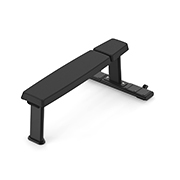
The incline dumbbell curl is performed lying back on an adjustable incline bench, usually set between 30 and 45 degrees. When your upper arms hang straight down behind your torso, your biceps long head sits in a deep stretched position at the bottom of the rep. This stretch-loaded position makes incline curls ideal for building the upper, shoulder-side portion of the biceps, the proximal region that creates that tall, peaked bicep look. The long head is the main focus here, and the extended shoulder position forces it to handle tension through a long range of motion. It also reduces the ability to swing or use body momentum, so you get reliable, controlled muscle tension.
On the other hand, the preacher curl uses a sloped preacher pad to support your triceps while your arms hang over the front edge. This setup keeps your shoulders forward and your upper arms fixed, shortening the long head of the biceps while shifting emphasis to the short head and the lower bicep near your elbow, the distal elbow flexor area. Preacher curls shine for adding thickness close to the elbow, filling out the bottom of your arm. This fixed pad eliminates shoulder swing almost completely, which makes preacher curls a fantastic option for lifters who struggle with form leaks and want strict isolation without cheating.
Recent hypertrophy research clarifies the difference. An 8-week training trial tracked elbow flexor growth and found incline curls created greater thickness gains near the shoulder, while preacher curls produced better growth near the elbow. Mid-bicep thickness improved similarly with both movements. Neither exercise outperformed the other for total bicep mass; they simply build different zones of the same muscle group. That is a critical point most gym guides miss.
So which should you pick? Choose incline curls if your goal is a taller bicep peak and you want to develop the long head. Pick preacher curls if your lower biceps look flat and you want more thickness by the elbow. Beginners can start with either, though preacher curls may feel easier to master because the pad locks your arm position. More advanced lifters will see the best results by adding both into their arm day, rather than only picking one.
For programming, you can pair them in the same workout. Try 3 sets of incline curls first for peak development, followed by 3 sets of preacher curls to fill the lower bicep. Keep your rep range between 8 and 12 for hypertrophy, focus on slow lowering phases, and avoid rushing the eccentric movement. Heavy weight is less important than consistent tension on the biceps.
The final verdict: there is no clear “winner” between preacher curl and incline curl. If you can only select one, match it to your weak point. If you want the biggest possible biceps, use both. Combining these two curls hits every section of your biceps brachii, creating balanced, complete arm development that one single curl variation cannot match.