If you want bigger, stronger legs, squats sit at the core of your lower-body routine. Two staple movements dominate gym floors: the traditional barbell squat and the machine-based hack squat. Lifters constantly debate which one delivers superior muscle and strength gains, and the honest answer is that neither wins for every person. Each movement targets different muscles, carries unique stability demands, and fits distinct training goals, injuries, and experience levels. Understanding their differences helps you build a smarter leg day and maximize your hard-earned gains.

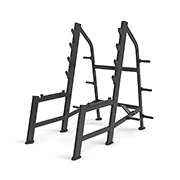
The barbell back squat is the gold-standard free-weight compound lift. When you perform a barbell squat, you hold a loaded bar across your upper back, with no guided track or back support. This forces your entire body to work in harmony: quads, glutes, hamstrings, spinal erectors, deep core stabilizers, and even your upper back fire together to keep your torso upright and balanced. Because it requires full-body coordination, it builds functional strength that transfers well to sports, sprinting, jumping, and everyday movement. The tradeoff is a steep learning curve. Poor form can place heavy stress on the lumbar spine, and beginners often struggle with ankle mobility, torso control, and bracing. It takes consistent practice to master the technique safely. For powerlifters, athletes, and lifters chasing total-body strength, barbell squats remain irreplaceable.
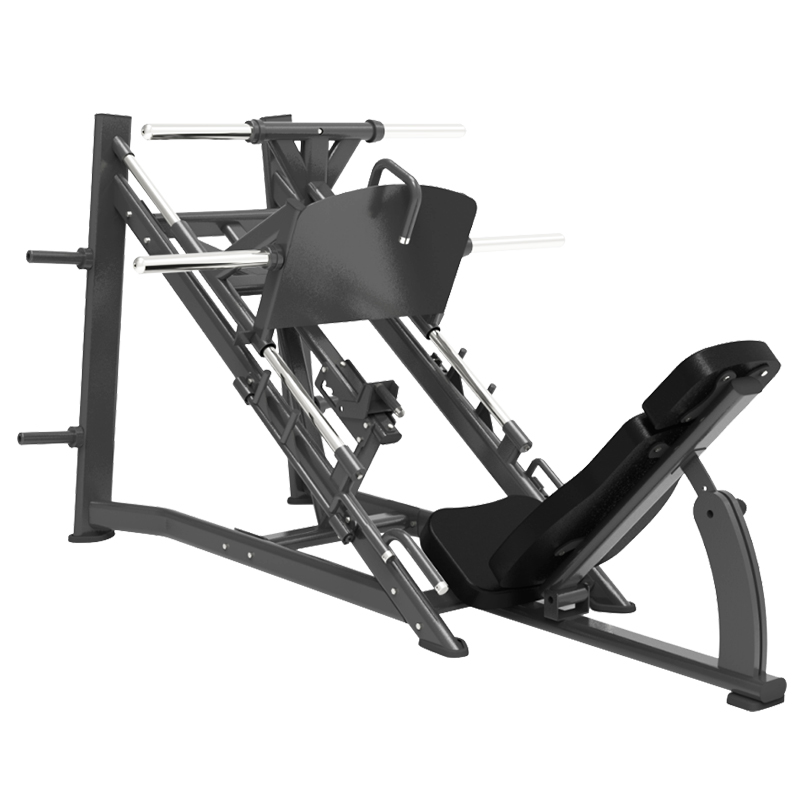
The hack squat, performed on an angled sled machine, removes most of that stabilization burden. Your back rests firmly against the padded support, and the sled follows a fixed path, so you only need to push through your legs. This design shifts the load heavily onto the quadriceps, with far less activation for your lower back, core, glutes and hamstrings. EMG research consistently shows high quad activation during hack squats, making it ideal for quad-focused hypertrophy work. Since spinal compression is much lower, it is a fantastic option for lifters with a history of back pain, limited mobility, or those recovering from injury. Beginners can learn the hack squat quickly, focus on pushing hard, and safely train to muscle failure without worrying about balancing a heavy bar. Its biggest downside is limited functional transfer; it does not train the stabilizer chains that make free-weight squats so valuable.
So which is better for gains? If your priority is raw overall strength, athletic performance, and full leg development including glutes and hamstrings, choose barbell squats as your main lift. If your goal is pure quad growth, training with a sore back, or adding high-volume leg work without spinal fatigue, hack squats will serve you better. The best long-term strategy for most lifters is to use both. Start leg day with heavy barbell squats to build foundational strength, then add hack squats later in the workout to pump and fatigue your quads. This combination hits multiple muscle growth triggers without overloading your lower back.
Many lifters make the mistake of picking only one squat variation. Remember, muscle gains come from progressive overload, proper nutrition, and recovery, not just picking one “perfect” exercise. Match your squat choice to your current limits and targets. Whether you load up the barbell or strap into the hack squat machine, controlled form and steady weight progression will always drive your best results.