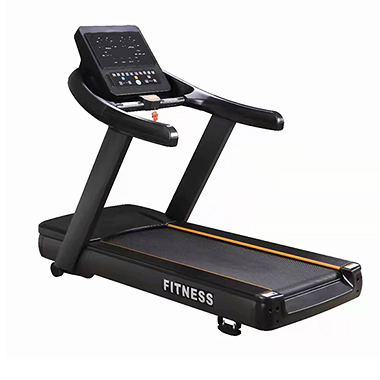
A commercial treadmill is one of the most reliable tools for sustainable weight loss. Built with powerful motors, stable running decks and precise incline and speed controls, gym-grade treadmills let you tailor every session to your fitness level, burn calories consistently, and build habits that support long-term fat loss. Unlike home models with limited settings, commercial units support slow incline walks, steady-state runs and high-intensity interval training, all from the same machine.

Weight loss ultimately depends on a sustainable calorie deficit, but how you use the treadmill directly impacts how much fat you burn, whether you preserve muscle, and if you stay consistent over months. Many gym-goers waste time on low-effort jogs at zero incline, only to see slow progress or sore joints. With the right structure, your treadmill sessions can deliver steady fat loss without overtraining or knee strain.
Start with incline walking if you are new to regular exercise. This low-impact style is extremely popular for fat loss because it raises your heart rate while keeping joint stress low. A typical setup is 3.5 to 4.5 km/h with an incline between 8% and 12%. Keep your posture upright, engage your core, and avoid holding the handrails. Gripping the rails reduces calorie burn significantly, as it takes weight away from your legs and lowers your heart rate. Aim for 40 to 60 minutes per session, three to four times each week. This approach works especially well for beginners, people carrying extra weight, or anyone recovering from injury.
If you already have decent cardio fitness, steady-state running is a solid option. Set the treadmill to a pace you can maintain while holding a short conversation, usually 6 to 9 km/h at a low incline of 1% to mimic outdoor wind resistance. Sessions of 35 to 50 minutes keep your metabolism elevated and burn a reliable number of calories. The downside is that longer runs demand more recovery, so pair them with rest days and enough protein to protect lean muscle mass.
For those short on time, HIIT on a commercial treadmill delivers strong fat-burning benefits through the afterburn effect known as EPOC. A simple routine works well: 1 minute of fast walking or light sprinting, followed by 2 minutes of slow recovery walking. Repeat this cycle for 20 to 25 minutes total, including a five-minute warm-up and cool-down. Keep intensity controlled; you do not need to run at maximum speed. HIIT is best used two times weekly, never on back-to-back days, because it places high stress on your nervous system and muscles.
No workout plan works without supporting habits. Track your weekly total activity instead of obsessing over every single session’s calorie readout, as treadmill calorie estimates are only approximations. Prioritize protein, whole foods and consistent sleep, since poor sleep spikes hunger hormones and makes it harder to stick to a deficit. Stay hydrated, and adjust your routine when you hit a plateau: increase incline slightly, add five minutes to your walk, or switch from steady-state to interval training.
Safety matters when using heavy commercial equipment. Always warm up for five minutes at low speed before raising incline or pace. Cool down gradually to prevent dizziness and muscle tightness. Wear supportive running shoes, and stop immediately if you feel sharp knee, hip or ankle pain. Small, regular sessions beat occasional exhausting workouts for lasting weight loss.
The commercial treadmill is not a magic fat-loss device, but its adjustable settings make it easy to build a personalised cardio routine. Whether you prefer gentle incline walks, continuous runs or quick interval sets, consistency and a balanced diet will turn your gym time into visible, sustainable results.