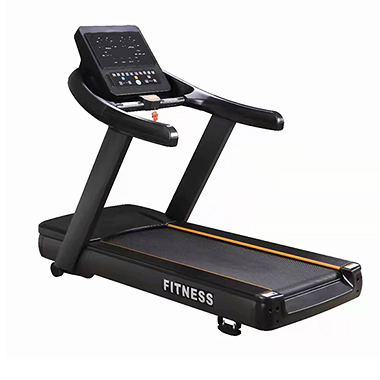
A curved non-motorized treadmill, also known as a self-powered curved treadmill, is a commercial cardio machine built with an arched running deck and no electric motor. Unlike standard motorized treadmills that pull the belt at a preset speed, this equipment moves only when the runner drives it forward with stride force and body lean. To speed up, users shift forward on the curve; to slow down or stop, they simply move back. There are no buttons, no waiting for motor adjustments, and no fixed maximum speed, making it a natural, responsive platform for sprinting, HIIT, functional training and steady-state conditioning.

This simple design is why gyms, CrossFit boxes, athletic performance centres and private training studios are adding curved treadmills to their floors. For facility owners, the benefits split into two clear groups: better training outcomes for members, and lower long-term operational stress for the business.
Biomechanically, the curved deck encourages mid-foot or forefoot striking instead of heavy heel striking, which is common on flat motorized treadmills. This reduces overstriding and joint impact while firing the posterior chain — glutes, hamstrings and calves — far more actively. Runners must engage their core and stabilizer muscles continuously to maintain balance. Studies show users burn roughly 20–30% more calories at the same perceived pace compared to electric treadmills, because the body supplies all propulsion work itself. That higher training return keeps members engaged and helps gyms deliver visible results faster, which supports member retention and word-of-mouth referrals.
For coaches and athletes, instant speed control is the biggest advantage. A runner can accelerate from a walk to an all-out sprint in a few steps, then decelerate immediately. This matches the unpredictability of real-world running and sports movement, perfect for interval sets, sprint drills, agility work and HYROX-style conditioning. It also works for beginners, rehab clients and older users, as they set their own pace without being pulled along by a machine.
From a commercial operations perspective, the low-maintenance structure is transformative. Without a motor, drive belt, control board and complex wiring, there are far fewer parts that can fail. Most commercial curved treadmills use durable slat belts built for heavy daily use, cutting down on service calls, spare parts and downtime. They need no dedicated power outlet, so gym managers can place them in functional zones, outdoor covered areas or temporary event spaces without rewiring. Lower power consumption also appeals to eco-focused gym brands aiming to cut energy costs and market sustainable training optionsVERVE Fitn....
Curved non-motorized treadmills are not a full replacement for motorized treadmills. Traditional electric models still suit long-distance jogging, gentle walking and users who need locked speed and incline settings. But for modern commercial spaces that prioritise performance, functional fitness and high-intensity programming, the curved self-powered treadmill fills a unique gap. It turns cardio from passive steady exercise into active, strength-building running.
If you run a gym or training facility and want to refresh your cardio zone, this equipment helps you stand out from basic gyms. It attracts serious athletes, supports varied programming and keeps your maintenance budget predictable. It is easy to see why more commercial fitness operators are making curved non-motorized treadmills a core part of their conditioning setup.