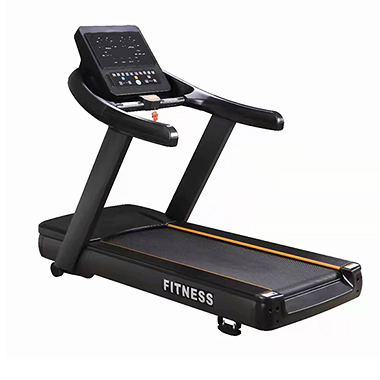
If you are building a gym setup or picking cardio equipment for your workout routine, the treadmill and stair climber are two of the most popular options. Many gym owners and fitness enthusiasts struggle to decide between them, because both deliver effective cardio training but work the body in very different ways. Understanding their differences in calorie burn, muscle activation and knee stress will help you make the right choice for your users or your own fitness goals.

When it comes to fat burn and calorie expenditure, the stair climber often stands out for time-efficient workouts. The vertical climbing motion forces you to lift your full body weight with every step, activating large muscle groups in the lower body at once. A moderate session on a stair climber can push your heart rate higher faster, which means strong calorie burn within a shorter window. For users who only have 20 to 30 minutes for cardio, it is a powerful tool to boost metabolic demand and support fat loss. However, the treadmill is highly flexible. You can walk briskly, hike on a steep incline, or run intervals. While flat walking burns fewer calories per minute, runners and incline walkers can sustain longer sessions, and total calorie burn may match or exceed the stair climber over time.
For leg and glute development, the stair climber has a clear advantage. Each deep step targets quads, glutes, hamstrings and calves simultaneously. The constant resistance creates a strength-cardio hybrid effect, helping users shape and build lower-body muscle while getting their cardio in. It is a favourite for people aiming for firmer glutes and stronger legs without adding separate leg days. The treadmill, by contrast, follows a natural walking or running gait. It still works leg muscles, but the engagement is more balanced and less focused on glute and quad hypertrophy. Incline walking on a treadmill can increase posterior chain activation, yet it cannot replicate the deep loading pattern of stair climbing.
Knee safety is the biggest point of confusion. A stair climber is low-impact in the sense there is no hard pounding like running, but every step loads your knee in a bent position. Repeated deep knee flexion can create pressure on the patellofemoral joint, so it may trigger discomfort for users with existing knee pain, arthritis or patella issues. The treadmill offers adjustable impact: brisk walking on a cushioned deck is gentle on knees and ankles, while running creates sharp impact forces. If you have knee concerns, flat or low-incline treadmill walking is usually safer than prolonged stair climber sessions. Beginners and users recovering from injury generally start with the treadmill first.
Versatility is another key factor. The treadmill supports all fitness levels, from slow warm-up walks to sprint HIIT. It suits older users, beginners, runners and rehab clients. Stair climbers demand more baseline leg strength and cardio capacity, so they are better for intermediate and advanced users. For commercial gyms, pairing both machines covers all member needs.
Final guidance: Choose the stair climber if you want fast fat burn and focused glute and leg training, and your knees are healthy. Choose the treadmill if you need flexible training options, want to run, or need a knee-friendlier cardio choice. Consistency matters more than picking a “perfect” machine; the best cardio tool is the one you can use safely and regularly.