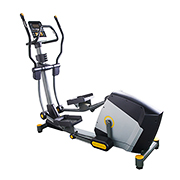
If you are new to regular cardio training, an elliptical machine is one of the safest and most flexible fitness tools for home gyms or commercial gym spaces. Unlike running on a treadmill, elliptical training delivers a full-body cardio workout with zero harsh impact on knees, hips and ankles, making it ideal for beginners, older adults, people recovering from minor injuries, or anyone who wants steady calorie burn without joint pain. Many new users wonder what muscles an elliptical works, how to set resistance correctly, and what beginner elliptical workout they should follow. This guide covers all the basics to help you train safely and see consistent progress.

One major advantage of the elliptical machine is its dual-action design. The moving handlebars let you engage your chest, back, shoulders and arms, while the pedals target quads, hamstrings, glutes and calves at the same time. You control every variable: resistance, incline and pace. That means you can keep it gentle for warm-ups or crank up settings for more challenging fat-burning sessions. Even simple 20-minute elliptical workouts build cardiovascular endurance, boost blood circulation and support long-term weight management, when paired with balanced eating habits.
Proper form is the most important rule for elliptical beginners. Stand tall with your core braced and shoulders relaxed; do not hunch forward or lean heavily on the fixed console handles. Keep your whole foot flat on each pedal, and avoid lifting your heels through the stride. Grip the moving handles lightly and push and pull naturally in rhythm with your leg movement. Look straight ahead instead of staring down at your feet or the display screen, which keeps your spine aligned. Start on low resistance. For your first few sessions, resistance level 1 to 4 works well, so you can master the smooth elliptical motion before adding difficulty. If your elliptical has an incline ramp, keep it flat at first; you can raise it later to focus more on your glutes and hamstrings.
Follow this simple beginner elliptical workout plan. Begin with a 5-minute warm-up at low resistance, moving slowly to loosen your muscles. Next, 10 to 15 minutes of steady moderate effort, where you can still hold a short conversation without gasping for air. Finish with a 5-minute cool-down, gradually lowering resistance and slowing your pace. Aim for three sessions each week at the start. After two or three weeks, you can extend total time or try easy intervals: one minute of slightly higher resistance, followed by two minutes of easy recovery. This small change boosts calorie burn and fitness gains without overtaxing your body.
Watch for common beginner mistakes that reduce results or cause discomfort. Do not rush the stride for speed alone; fast, choppy movement wastes energy and hurts posture. Avoid locking your elbows or squeezing the handles too tight, which creates tension in your upper body. Never skip warm-up and cool-down periods. Remember, consistency beats intensity when you are just starting out.
Whether you plan to buy an elliptical machine for your home gym or use one at a fitness center, this low-impact trainer grows with your fitness level. It supports steady cardio health, gentle strength building and sustainable workout habits for all fitness levels. Master your form, build slowly, and your elliptical sessions will become a reliable part of your long-term fitness routine.